Skip to content
HearingTracker

Find members by hearing

Connect with members whose hearing is similar to yours, or see our community’s hearing at a glance.

Show only

2271 members

  • artilect

    Bilateral, broadly similar

    Left:
    mild in the lows, moderate in the highs · Flat / broadly even · Sensorineural pattern (presumed)
    Right:
    mild in the lows, moderate in the highs · Flat / broadly even · Sensorineural pattern (presumed)

    Sensorineural is presumed for browsing because no bone-conduction measurements were entered.

    Test date not recorded

    Audiogram: air and bone conduction thresholds by frequencyHearing level in decibels, 0 at the top and worse hearing lower down, plotted against frequency from 250 to 8000 hertz. Right ear thresholds are red, left ear are blue, and each combination of air or bone conduction and masked or unmasked has its own symbol, named in the key. Air conduction thresholds are joined by a line that carries a symbol only where a threshold was measured, so a stretch with no symbol on it spans a frequency nobody tested. A downward arrow marks a frequency where the ear did not respond at the level tried, so the real threshold is worse than the point shown. Every value is listed in the tables on this member’s profile page.NormalSlightMildModerateMod. severeSevereProfound-1001020304050607080901001101202505001000200040008000Frequency (Hz)Hearing level (dB HL)
    • Left ear, air conduction
    • Right ear, air conduction
  • artooni

    Bilateral, broadly similar

    Left:
    moderately severe in the lows, slight in the highs · Low-frequency predominant / rising · Sensorineural pattern (presumed)
    Right:
    moderately severe in the lows, slight in the highs · Low-frequency predominant / rising · Sensorineural pattern (presumed)

    Sensorineural is presumed for browsing because no bone-conduction measurements were entered.

    Test date not recorded

    Audiogram: air and bone conduction thresholds by frequencyHearing level in decibels, 0 at the top and worse hearing lower down, plotted against frequency from 250 to 8000 hertz. Right ear thresholds are red, left ear are blue, and each combination of air or bone conduction and masked or unmasked has its own symbol, named in the key. Air conduction thresholds are joined by a line that carries a symbol only where a threshold was measured, so a stretch with no symbol on it spans a frequency nobody tested. A downward arrow marks a frequency where the ear did not respond at the level tried, so the real threshold is worse than the point shown. Every value is listed in the tables on this member’s profile page.NormalSlightMildModerateMod. severeSevereProfound-1001020304050607080901001101202505001000200040008000Frequency (Hz)Hearing level (dB HL)
    • Left ear, air conduction
    • Right ear, air conduction
  • artowi

    Bilateral, moderate, steep high-frequency sloping, presumed sensorineural loss

    Pattern includes estimated frequencies

    Left:
    slight in the lows, severe in the highs · Steep high-frequency sloping · Sensorineural pattern (presumed)
    Right:
    slight in the lows, severe in the highs · Steep high-frequency sloping · Sensorineural pattern (presumed)

    Sensorineural is presumed for browsing because no bone-conduction measurements were entered.

    Test date not recorded

    Hearing aids

    • Phonak Audéo Infinio Sphere I90

      Phonak

      Currently using · Since Nov 2025 · Rated 5/5

    Audiogram: air and bone conduction thresholds by frequencyHearing level in decibels, 0 at the top and worse hearing lower down, plotted against frequency from 250 to 8000 hertz. Right ear thresholds are red, left ear are blue, and each combination of air or bone conduction and masked or unmasked has its own symbol, named in the key. Air conduction thresholds are joined by a line that carries a symbol only where a threshold was measured, so a stretch with no symbol on it spans a frequency nobody tested. A downward arrow marks a frequency where the ear did not respond at the level tried, so the real threshold is worse than the point shown. Every value is listed in the tables on this member’s profile page.NormalSlightMildModerateMod. severeSevereProfound-1001020304050607080901001101202505001000200040008000Frequency (Hz)Hearing level (dB HL)
    • Left ear, air conduction
    • Right ear, air conduction
  • artrockunicorn

    Bilateral, moderate, other / irregular, presumed sensorineural loss

    Left:
    Moderate · Other / irregular · Sensorineural pattern (presumed)
    Right:
    Moderate · Other / irregular · Sensorineural pattern (presumed)

    Sensorineural is presumed for browsing because no bone-conduction measurements were entered.

    Tested

    Audiogram: air and bone conduction thresholds by frequencyHearing level in decibels, 0 at the top and worse hearing lower down, plotted against frequency from 250 to 8000 hertz. Right ear thresholds are red, left ear are blue, and each combination of air or bone conduction and masked or unmasked has its own symbol, named in the key. Air conduction thresholds are joined by a line that carries a symbol only where a threshold was measured, so a stretch with no symbol on it spans a frequency nobody tested. A downward arrow marks a frequency where the ear did not respond at the level tried, so the real threshold is worse than the point shown. Every value is listed in the tables on this member’s profile page.NormalSlightMildModerateMod. severeSevereProfound-1001020304050607080901001101202505001000200040008000Frequency (Hz)Hearing level (dB HL)
    • Left ear, air conduction
    • Right ear, air conduction
  • Arturo_S

    Bilateral, broadly similar

    Left:
    Mild · Flat / broadly even · Sensorineural pattern (presumed)
    Right:
    Mild · Notched · Sensorineural pattern (presumed)

    Sensorineural is presumed for browsing because no bone-conduction measurements were entered.

    Tested

    Audiogram: air and bone conduction thresholds by frequencyHearing level in decibels, 0 at the top and worse hearing lower down, plotted against frequency from 250 to 8000 hertz. Right ear thresholds are red, left ear are blue, and each combination of air or bone conduction and masked or unmasked has its own symbol, named in the key. Air conduction thresholds are joined by a line that carries a symbol only where a threshold was measured, so a stretch with no symbol on it spans a frequency nobody tested. A downward arrow marks a frequency where the ear did not respond at the level tried, so the real threshold is worse than the point shown. Every value is listed in the tables on this member’s profile page.NormalSlightMildModerateMod. severeSevereProfound-1001020304050607080901001101202505001000200040008000Frequency (Hz)Hearing level (dB HL)
    • Left ear, air conduction
    • Right ear, air conduction
  • Artyom_O

    Bilateral, broadly similar

    Left:
    Moderately severe · Mid-frequency predominant / cookie-bite · Sensorineural pattern (presumed)
    Right:
    Moderately severe · Mid-frequency predominant / cookie-bite, with a notch · Sensorineural pattern (presumed)

    Sensorineural is presumed for browsing because no bone-conduction measurements were entered.

    Tested

    Hearing aids

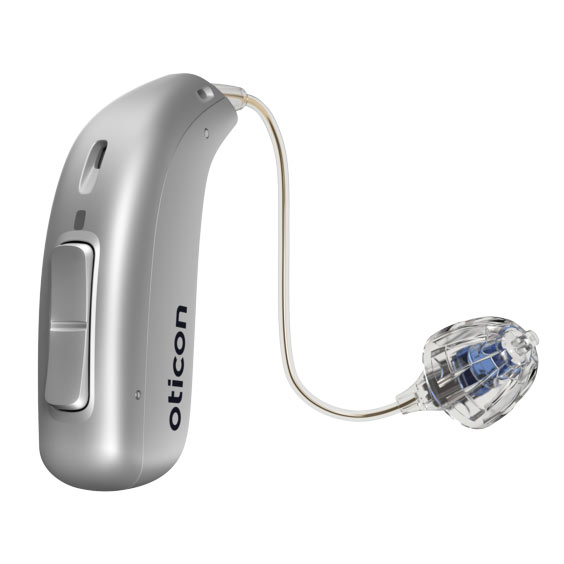
    • Oticon More 2 miniRITE-R

      Oticon

      Currently using · Since Aug 2023 · Rated 5/5

    Audiogram: air and bone conduction thresholds by frequencyHearing level in decibels, 0 at the top and worse hearing lower down, plotted against frequency from 250 to 8000 hertz. Right ear thresholds are red, left ear are blue, and each combination of air or bone conduction and masked or unmasked has its own symbol, named in the key. Air conduction thresholds are joined by a line that carries a symbol only where a threshold was measured, so a stretch with no symbol on it spans a frequency nobody tested. A downward arrow marks a frequency where the ear did not respond at the level tried, so the real threshold is worse than the point shown. Every value is listed in the tables on this member’s profile page.NormalSlightMildModerateMod. severeSevereProfound-1001020304050607080901001101202505001000200040008000Frequency (Hz)Hearing level (dB HL)
    • Left ear, air conduction
    • Right ear, air conduction
  • Asha_B

    Bilateral, broadly similar

    Left:
    severe in the lows, moderate in the highs · Low-frequency predominant / rising · Sensorineural pattern (presumed)
    Right:
    severe in the lows, mild in the highs · Low-frequency predominant / rising · Sensorineural pattern (presumed)

    Sensorineural is presumed for browsing because no bone-conduction measurements were entered.

    Tested

    Audiogram: air and bone conduction thresholds by frequencyHearing level in decibels, 0 at the top and worse hearing lower down, plotted against frequency from 250 to 8000 hertz. Right ear thresholds are red, left ear are blue, and each combination of air or bone conduction and masked or unmasked has its own symbol, named in the key. Air conduction thresholds are joined by a line that carries a symbol only where a threshold was measured, so a stretch with no symbol on it spans a frequency nobody tested. A downward arrow marks a frequency where the ear did not respond at the level tried, so the real threshold is worse than the point shown. Every value is listed in the tables on this member’s profile page.NormalSlightMildModerateMod. severeSevereProfound-1001020304050607080901001101202505001000200040008000Frequency (Hz)Hearing level (dB HL)
    • Left ear, air conduction
    • Right ear, air conduction
  • Ashakur

    Bilateral, severe, steep high-frequency sloping, presumed sensorineural loss

    Left:
    mild in the lows, profound in the highs · Steep high-frequency sloping · Sensorineural pattern (presumed)
    Right:
    mild in the lows, profound in the highs · Steep high-frequency sloping · Sensorineural pattern (presumed)

    Sensorineural is presumed for browsing because no bone-conduction measurements were entered.

    Tested

    Audiogram: air and bone conduction thresholds by frequencyHearing level in decibels, 0 at the top and worse hearing lower down, plotted against frequency from 250 to 8000 hertz. Right ear thresholds are red, left ear are blue, and each combination of air or bone conduction and masked or unmasked has its own symbol, named in the key. Air conduction thresholds are joined by a line that carries a symbol only where a threshold was measured, so a stretch with no symbol on it spans a frequency nobody tested. A downward arrow marks a frequency where the ear did not respond at the level tried, so the real threshold is worse than the point shown. Every value is listed in the tables on this member’s profile page.NormalSlightMildModerateMod. severeSevereProfound-1001020304050607080901001101202505001000200040008000Frequency (Hz)Hearing level (dB HL)
    • Left ear, air conduction
    • Right ear, air conduction
  • AshFan

    Bilateral, broadly similar

    Left:
    Moderately severe · Flat / broadly even · Sensorineural pattern (presumed)
    Right:
    Moderate · Flat / broadly even · Sensorineural pattern (presumed)

    Sensorineural is presumed for browsing because no bone-conduction measurements were entered.

    Test date not recorded

    Audiogram: air and bone conduction thresholds by frequencyHearing level in decibels, 0 at the top and worse hearing lower down, plotted against frequency from 250 to 8000 hertz. Right ear thresholds are red, left ear are blue, and each combination of air or bone conduction and masked or unmasked has its own symbol, named in the key. Air conduction thresholds are joined by a line that carries a symbol only where a threshold was measured, so a stretch with no symbol on it spans a frequency nobody tested. A downward arrow marks a frequency where the ear did not respond at the level tried, so the real threshold is worse than the point shown. Every value is listed in the tables on this member’s profile page.NormalSlightMildModerateMod. severeSevereProfound-1001020304050607080901001101202505001000200040008000Frequency (Hz)Hearing level (dB HL)
    • Left ear, air conduction
    • Right ear, air conduction
  • ashraf.aamr

    Bilateral, broadly similar

    Left:
    moderate in the lows, severe in the highs · High-frequency predominant / sloping · Sensorineural pattern (presumed)
    Right:
    moderate in the lows, moderately severe in the highs · High-frequency predominant / sloping, with a notch · Sensorineural pattern (presumed)

    Sensorineural is presumed for browsing because no bone-conduction measurements were entered.

    Tested

    Audiogram: air and bone conduction thresholds by frequencyHearing level in decibels, 0 at the top and worse hearing lower down, plotted against frequency from 250 to 8000 hertz. Right ear thresholds are red, left ear are blue, and each combination of air or bone conduction and masked or unmasked has its own symbol, named in the key. Air conduction thresholds are joined by a line that carries a symbol only where a threshold was measured, so a stretch with no symbol on it spans a frequency nobody tested. A downward arrow marks a frequency where the ear did not respond at the level tried, so the real threshold is worse than the point shown. Every value is listed in the tables on this member’s profile page.NormalSlightMildModerateMod. severeSevereProfound-1001020304050607080901001101202505001000200040008000Frequency (Hz)Hearing level (dB HL)
    • Left ear, air conduction
    • Right ear, air conduction
  • aslanvladik

    Bilateral, broadly similar

    Left:
    Severe · Flat / broadly even · Sensorineural pattern (presumed)
    Right:
    moderately severe in the lows, severe in the highs · Other / irregular · Sensorineural pattern (presumed)

    Sensorineural is presumed for browsing because no bone-conduction measurements were entered.

    Test date not recorded

    Audiogram: air and bone conduction thresholds by frequencyHearing level in decibels, 0 at the top and worse hearing lower down, plotted against frequency from 250 to 8000 hertz. Right ear thresholds are red, left ear are blue, and each combination of air or bone conduction and masked or unmasked has its own symbol, named in the key. Air conduction thresholds are joined by a line that carries a symbol only where a threshold was measured, so a stretch with no symbol on it spans a frequency nobody tested. A downward arrow marks a frequency where the ear did not respond at the level tried, so the real threshold is worse than the point shown. Every value is listed in the tables on this member’s profile page.NormalSlightMildModerateMod. severeSevereProfound-1001020304050607080901001101202505001000200040008000Frequency (Hz)Hearing level (dB HL)
    • Left ear, air conduction
    • Right ear, air conduction
  • asly

    Bilateral, broadly similar

    Left:
    slight in the lows, severe in the highs · Steep high-frequency sloping, with a notch · Type uncertain / unknown
    Right:
    slight in the lows, severe in the highs · High-frequency predominant / sloping, with a notch · Type uncertain / unknown

    Test date not recorded

    Audiogram: air and bone conduction thresholds by frequencyHearing level in decibels, 0 at the top and worse hearing lower down, plotted against frequency from 250 to 8000 hertz. Right ear thresholds are red, left ear are blue, and each combination of air or bone conduction and masked or unmasked has its own symbol, named in the key. Air conduction thresholds are joined by a line that carries a symbol only where a threshold was measured, so a stretch with no symbol on it spans a frequency nobody tested. A downward arrow marks a frequency where the ear did not respond at the level tried, so the real threshold is worse than the point shown. Every value is listed in the tables on this member’s profile page.NormalSlightMildModerateMod. severeSevereProfound-1001020304050607080901001101202505001000200040008000Frequency (Hz)Hearing level (dB HL)
    • Left ear, air conduction
    • Right ear, air conduction
    • Left ear, bone conduction
    • Right ear, bone conduction

These adult browsing rules describe member-shared measurements. A calculated pattern and a clinician-recorded diagnosis are separate. Missing values, no-response limits, and unresolved masking can leave categories unknown.