Skip to content
HearingTracker

Find members by hearing

Connect with members whose hearing is similar to yours, or see our community’s hearing at a glance.

Show only

660 members

  • tritrang

    Bilateral, asymmetric, severe, high-frequency predominant / sloping, presumed sensorineural loss

    Pattern includes estimated frequencies

    Left:
    severe in the lows, profound in the highs · High-frequency predominant / sloping · Sensorineural pattern (presumed)
    Right:
    moderately severe in the lows, profound in the highs · High-frequency predominant / sloping · Sensorineural pattern (presumed)

    Sensorineural is presumed for browsing because no bone-conduction measurements were entered.

    Tested

    Audiogram: air and bone conduction thresholds by frequencyHearing level in decibels, 0 at the top and worse hearing lower down, plotted against frequency from 250 to 8000 hertz. Right ear thresholds are red, left ear are blue, and each combination of air or bone conduction and masked or unmasked has its own symbol, named in the key. Air conduction thresholds are joined by a line that carries a symbol only where a threshold was measured, so a stretch with no symbol on it spans a frequency nobody tested. A downward arrow marks a frequency where the ear did not respond at the level tried, so the real threshold is worse than the point shown. Every value is listed in the tables on this member’s profile page.NormalSlightMildModerateMod. severeSevereProfound-1001020304050607080901001101202505001000200040008000Frequency (Hz)Hearing level (dB HL)
    • Left ear, air conduction
    • Right ear, air conduction
  • tschindler

    Bilateral, asymmetric

    Left:
    moderate in the lows, profound in the highs · Steep high-frequency sloping, with a notch · Sensorineural pattern (presumed)
    Right:
    mild in the lows, profound in the highs · High-frequency predominant / sloping · Sensorineural pattern (presumed)

    Sensorineural is presumed for browsing because no bone-conduction measurements were entered.

    Test date not recorded

    Audiogram: air and bone conduction thresholds by frequencyHearing level in decibels, 0 at the top and worse hearing lower down, plotted against frequency from 250 to 8000 hertz. Right ear thresholds are red, left ear are blue, and each combination of air or bone conduction and masked or unmasked has its own symbol, named in the key. Air conduction thresholds are joined by a line that carries a symbol only where a threshold was measured, so a stretch with no symbol on it spans a frequency nobody tested. A downward arrow marks a frequency where the ear did not respond at the level tried, so the real threshold is worse than the point shown. Every value is listed in the tables on this member’s profile page.NormalSlightMildModerateMod. severeSevereProfound-1001020304050607080901001101202505001000200040008000Frequency (Hz)Hearing level (dB HL)
    • Left ear, air conduction
    • Right ear, air conduction
  • tsnettles

    Bilateral, broadly similar

    Left:
    moderately severe in the lows, severe in the highs · High-frequency predominant / sloping, with a notch · Sensorineural pattern (presumed)
    Right:
    moderately severe in the lows, profound in the highs · High-frequency predominant / sloping, with a notch · Sensorineural pattern (presumed)

    Sensorineural is presumed for browsing because no bone-conduction measurements were entered.

    Tested

    Audiogram: air and bone conduction thresholds by frequencyHearing level in decibels, 0 at the top and worse hearing lower down, plotted against frequency from 250 to 8000 hertz. Right ear thresholds are red, left ear are blue, and each combination of air or bone conduction and masked or unmasked has its own symbol, named in the key. Air conduction thresholds are joined by a line that carries a symbol only where a threshold was measured, so a stretch with no symbol on it spans a frequency nobody tested. A downward arrow marks a frequency where the ear did not respond at the level tried, so the real threshold is worse than the point shown. Every value is listed in the tables on this member’s profile page.NormalSlightMildModerateMod. severeSevereProfound-1001020304050607080901001101202505001000200040008000Frequency (Hz)Hearing level (dB HL)
    • Left ear, air conduction
    • Right ear, air conduction
  • Turnitup

    Bilateral, asymmetric

    Left:
    slight in the lows, moderate in the highs · High-frequency predominant / sloping · Sensorineural pattern (presumed)
    Right:
    Severe · Flat / broadly even · Sensorineural pattern (presumed)

    Sensorineural is presumed for browsing because no bone-conduction measurements were entered.

    Test date not recorded

    Hearing aids

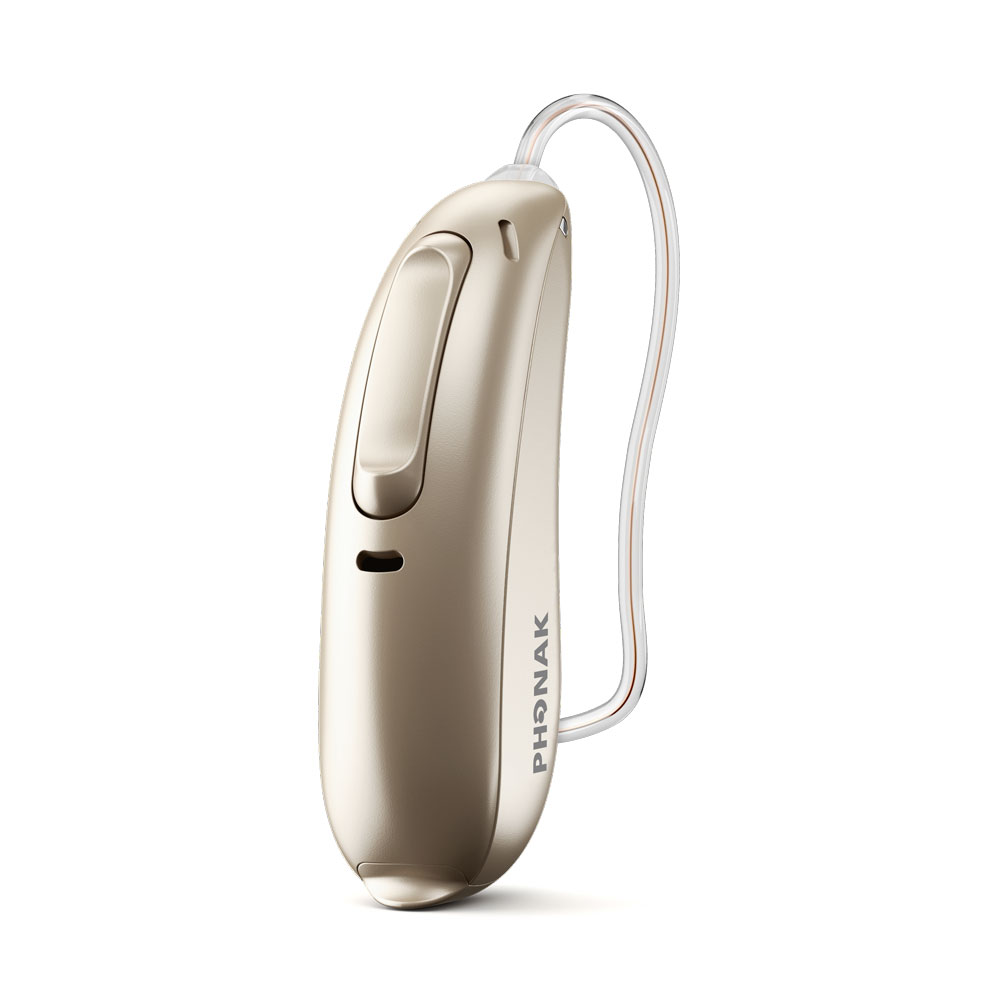
    • Phonak Audéo Paradise 312 P50

      Phonak

      Currently using · Rated 3/5

    Audiogram: air and bone conduction thresholds by frequencyHearing level in decibels, 0 at the top and worse hearing lower down, plotted against frequency from 250 to 8000 hertz. Right ear thresholds are red, left ear are blue, and each combination of air or bone conduction and masked or unmasked has its own symbol, named in the key. Air conduction thresholds are joined by a line that carries a symbol only where a threshold was measured, so a stretch with no symbol on it spans a frequency nobody tested. A downward arrow marks a frequency where the ear did not respond at the level tried, so the real threshold is worse than the point shown. Every value is listed in the tables on this member’s profile page.NormalSlightMildModerateMod. severeSevereProfound-1001020304050607080901001101202505001000200040008000Frequency (Hz)Hearing level (dB HL)
    • Left ear, air conduction
    • Right ear, air conduction
  • Turtley

    Bilateral, broadly similar

    Pattern includes estimated frequencies

    Left:
    severe in the lows, profound in the highs · High-frequency predominant / sloping · Type uncertain / unknown
    Right:
    severe in the lows, profound in the highs · Other / irregular · Type uncertain / unknown

    Tested

    Member-reported: Childhood onset · Speech in noise · Group conversations · Music

    Hearing aids

    • ReSound Enzo IA BTE 9

      ReSound

      Currently using · Since Jun 2026 · Rated 5/5

    Audiogram: air and bone conduction thresholds by frequencyHearing level in decibels, 0 at the top and worse hearing lower down, plotted against frequency from 250 to 8000 hertz. Right ear thresholds are red, left ear are blue, and each combination of air or bone conduction and masked or unmasked has its own symbol, named in the key. Air conduction thresholds are joined by a line that carries a symbol only where a threshold was measured, so a stretch with no symbol on it spans a frequency nobody tested. A downward arrow marks a frequency where the ear did not respond at the level tried, so the real threshold is worse than the point shown. Every value is listed in the tables on this member’s profile page.NormalSlightMildModerateMod. severeSevereProfound-1001020304050607080901001101202505001000200040008000Frequency (Hz)Hearing level (dB HL)
    • Left ear, air conduction
    • Right ear, air conduction
    • Left ear, bone conduction
    • Right ear, bone conduction
    • No response at the level tried
  • twilkins10

    Bilateral, asymmetric

    Left:
    slight in the lows, moderate in the highs · High-frequency predominant / sloping · Sensorineural pattern (presumed)
    Right:
    Severe · Other / irregular · Sensorineural pattern (presumed)

    Sensorineural is presumed for browsing because no bone-conduction measurements were entered.

    Tested

    Audiogram: air and bone conduction thresholds by frequencyHearing level in decibels, 0 at the top and worse hearing lower down, plotted against frequency from 250 to 8000 hertz. Right ear thresholds are red, left ear are blue, and each combination of air or bone conduction and masked or unmasked has its own symbol, named in the key. Air conduction thresholds are joined by a line that carries a symbol only where a threshold was measured, so a stretch with no symbol on it spans a frequency nobody tested. A downward arrow marks a frequency where the ear did not respond at the level tried, so the real threshold is worse than the point shown. Every value is listed in the tables on this member’s profile page.NormalSlightMildModerateMod. severeSevereProfound-1001020304050607080901001101202505001000200040008000Frequency (Hz)Hearing level (dB HL)
    • Left ear, air conduction
    • Right ear, air conduction
  • twocat_cph

    Bilateral, asymmetric

    Left:
    moderately severe in the lows, severe in the highs · Other / irregular · Sensorineural pattern (presumed)
    Right:
    severe in the lows, profound in the highs · High-frequency predominant / sloping, with a notch · Sensorineural pattern (presumed)

    Sensorineural is presumed for browsing because no bone-conduction measurements were entered.

    Test date not recorded

    Audiogram: air and bone conduction thresholds by frequencyHearing level in decibels, 0 at the top and worse hearing lower down, plotted against frequency from 250 to 8000 hertz. Right ear thresholds are red, left ear are blue, and each combination of air or bone conduction and masked or unmasked has its own symbol, named in the key. Air conduction thresholds are joined by a line that carries a symbol only where a threshold was measured, so a stretch with no symbol on it spans a frequency nobody tested. A downward arrow marks a frequency where the ear did not respond at the level tried, so the real threshold is worse than the point shown. Every value is listed in the tables on this member’s profile page.NormalSlightMildModerateMod. severeSevereProfound-1001020304050607080901001101202505001000200040008000Frequency (Hz)Hearing level (dB HL)
    • Left ear, air conduction
    • Right ear, air conduction
  • TXGal

    Bilateral, asymmetric

    Pattern includes estimated frequencies

    Left:
    moderate in the lows, profound in the highs · Steep high-frequency sloping · Sensorineural pattern (presumed)
    Right:
    moderately severe in the lows, severe in the highs · Other / irregular · Sensorineural pattern (presumed)

    Sensorineural is presumed for browsing because no bone-conduction measurements were entered.

    Tested

    Audiogram: air and bone conduction thresholds by frequencyHearing level in decibels, 0 at the top and worse hearing lower down, plotted against frequency from 250 to 8000 hertz. Right ear thresholds are red, left ear are blue, and each combination of air or bone conduction and masked or unmasked has its own symbol, named in the key. Air conduction thresholds are joined by a line that carries a symbol only where a threshold was measured, so a stretch with no symbol on it spans a frequency nobody tested. A downward arrow marks a frequency where the ear did not respond at the level tried, so the real threshold is worse than the point shown. Every value is listed in the tables on this member’s profile page.NormalSlightMildModerateMod. severeSevereProfound-1001020304050607080901001101202505001000200040008000Frequency (Hz)Hearing level (dB HL)
    • Left ear, air conduction
    • Right ear, air conduction
  • TXPE

    Bilateral, asymmetric

    Pattern includes estimated frequencies

    Left:
    mild in the lows, profound in the highs · Steep high-frequency sloping · Sensorineural pattern (presumed)
    Right:
    moderately severe in the lows, severe in the highs · Notched · Sensorineural pattern (presumed)

    Sensorineural is presumed for browsing because no bone-conduction measurements were entered.

    Tested

    Audiogram: air and bone conduction thresholds by frequencyHearing level in decibels, 0 at the top and worse hearing lower down, plotted against frequency from 250 to 8000 hertz. Right ear thresholds are red, left ear are blue, and each combination of air or bone conduction and masked or unmasked has its own symbol, named in the key. Air conduction thresholds are joined by a line that carries a symbol only where a threshold was measured, so a stretch with no symbol on it spans a frequency nobody tested. A downward arrow marks a frequency where the ear did not respond at the level tried, so the real threshold is worse than the point shown. Every value is listed in the tables on this member’s profile page.NormalSlightMildModerateMod. severeSevereProfound-1001020304050607080901001101202505001000200040008000Frequency (Hz)Hearing level (dB HL)
    • Left ear, air conduction
    • Right ear, air conduction
  • Tym77

    Bilateral, asymmetric

    Left:
    moderately severe in the lows, profound in the highs · High-frequency predominant / sloping, with a notch · Sensorineural pattern (presumed)
    Right:
    Severe · Other / irregular · Sensorineural pattern (presumed)

    Sensorineural is presumed for browsing because no bone-conduction measurements were entered.

    Tested

    Audiogram: air and bone conduction thresholds by frequencyHearing level in decibels, 0 at the top and worse hearing lower down, plotted against frequency from 250 to 8000 hertz. Right ear thresholds are red, left ear are blue, and each combination of air or bone conduction and masked or unmasked has its own symbol, named in the key. Air conduction thresholds are joined by a line that carries a symbol only where a threshold was measured, so a stretch with no symbol on it spans a frequency nobody tested. A downward arrow marks a frequency where the ear did not respond at the level tried, so the real threshold is worse than the point shown. Every value is listed in the tables on this member’s profile page.NormalSlightMildModerateMod. severeSevereProfound-1001020304050607080901001101202505001000200040008000Frequency (Hz)Hearing level (dB HL)
    • Left ear, air conduction
    • Right ear, air conduction
  • U_Said_What_8

    Bilateral, broadly similar

    Left:
    moderately severe in the lows, profound in the highs · High-frequency predominant / sloping · Sensorineural pattern (presumed)
    Right:
    moderately severe in the lows, severe in the highs · High-frequency predominant / sloping · Sensorineural pattern (presumed)

    Sensorineural is presumed for browsing because no bone-conduction measurements were entered.

    Tested

    Audiogram: air and bone conduction thresholds by frequencyHearing level in decibels, 0 at the top and worse hearing lower down, plotted against frequency from 250 to 8000 hertz. Right ear thresholds are red, left ear are blue, and each combination of air or bone conduction and masked or unmasked has its own symbol, named in the key. Air conduction thresholds are joined by a line that carries a symbol only where a threshold was measured, so a stretch with no symbol on it spans a frequency nobody tested. A downward arrow marks a frequency where the ear did not respond at the level tried, so the real threshold is worse than the point shown. Every value is listed in the tables on this member’s profile page.NormalSlightMildModerateMod. severeSevereProfound-1001020304050607080901001101202505001000200040008000Frequency (Hz)Hearing level (dB HL)
    • Left ear, air conduction
    • Right ear, air conduction
  • U2builder

    Bilateral, broadly similar

    Left:
    moderate in the lows, severe in the highs · High-frequency predominant / sloping · Sensorineural pattern (presumed)
    Right:
    mild in the lows, moderately severe in the highs · High-frequency predominant / sloping · Sensorineural pattern (presumed)

    Sensorineural is presumed for browsing because no bone-conduction measurements were entered.

    Tested

    Audiogram: air and bone conduction thresholds by frequencyHearing level in decibels, 0 at the top and worse hearing lower down, plotted against frequency from 250 to 8000 hertz. Right ear thresholds are red, left ear are blue, and each combination of air or bone conduction and masked or unmasked has its own symbol, named in the key. Air conduction thresholds are joined by a line that carries a symbol only where a threshold was measured, so a stretch with no symbol on it spans a frequency nobody tested. A downward arrow marks a frequency where the ear did not respond at the level tried, so the real threshold is worse than the point shown. Every value is listed in the tables on this member’s profile page.NormalSlightMildModerateMod. severeSevereProfound-1001020304050607080901001101202505001000200040008000Frequency (Hz)Hearing level (dB HL)
    • Left ear, air conduction
    • Right ear, air conduction

These adult browsing rules describe member-shared measurements. A calculated pattern and a clinician-recorded diagnosis are separate. Missing values, no-response limits, and unresolved masking can leave categories unknown.