With this being her first set of hearing aids I would recommend giving Costco a try. If Ann is in the US she will get a 6 months return period that can be very nice for the first time aid user. They also use best practices to fit hearing aids. I believe that is a very good thing.
Lots of discussions here on the forum about . The pros here tend to think it’s best. I respect their thoughts on this. REM doesn’t hurt for sure. It can help in most cases but not all.
Weeding out the hearing aid car salesman can be challenging. Ann’s hearing loss doesn’t appear to be a difficult one. So most any of the better hearing aids should do well for her.
Apparently when Ann and I have called Audiologists offices and asked if they use Real Ear Measurements and they have said yes, some were referring to Simulators - which are not the same thing. I can understand the confusion and that the receptionist may not have been aware of the difference.
I found myself embarrassed after all I’ve asked the question about the difference between Real Ear Measurement (probe) process and REM simulators before and thought I understood the answers - I didn’t.
Even when I, who wear hearing aids, had a new hearing test, the place I went to, I realize now, did not use Real Ear Measurement and that is the reason I chose that audiologists office to begin with and I didn’t quite recognize that until now.
We cannot find “REM simulators” when we research therefore it must a different type of instrument and is not the Real Ear Measurement process (with the probe) - the language is confusing. Why use the word “REM simulators”?
Yes, Costco is a possibility and I will pass this info on again. She’s waited a while for the hearing aids and very disappointed. Also she was interested in Phonak due to the sound that she listened to on the Hearing Tracker Website, connectability with tech, and she wanted disposable batteries and that isn’t available at Costco.
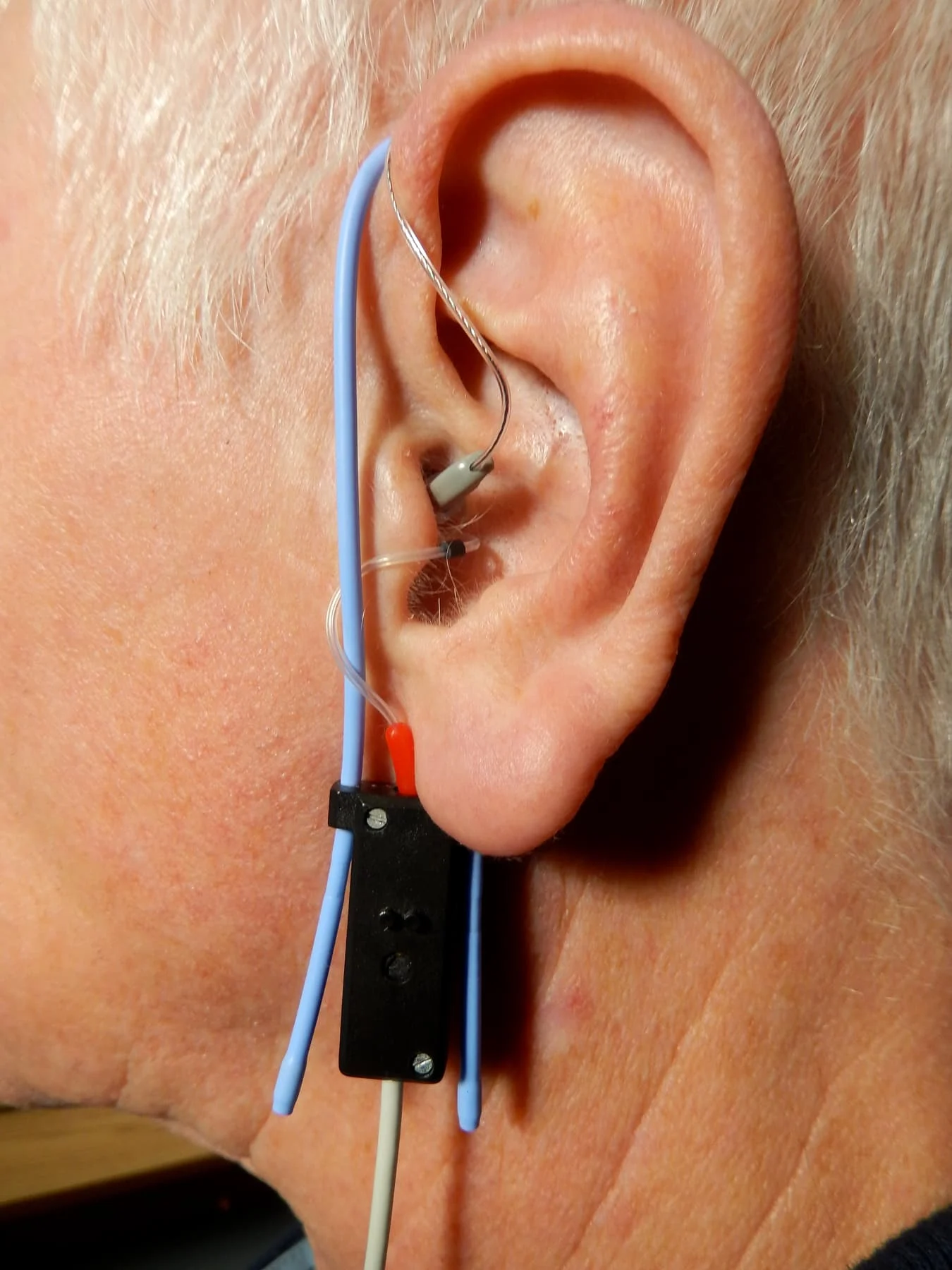
My understanding of this is insitu hearing aid fitting, not simulator. What it does is, with hearing aids in your ears it will go through all the frequencies doing tonal tests. Using this test as the the software will build a prescription for that hearing loss. This is how most members fit their aids. It actually does a pretty good job but the gains at the eardrum are not verified doing the fitting this way. Only real deal RIM with a probe at the ear drum can prove the prescription is being met.
Also she was interested in Phonak due to the sound that she listened to on the Hearing Tracker Website, connectability with tech, and she wanted disposable batteries and that isn’t available at Costco.
I’m coming to the conclusion that wanting disposable battery hearing aids may be like wanting a manual transmission car these days. For my last new car I just gave up and resigned myself to an automatic because insisting on a manual would limit my choices too much. Same with hearing aids with disposable batteries. I did get Lumitys that use 312s early this year via online and ebay, but the seller actually emailed me to be sure I really wanted them. She said usually when someone ordered the ones with 312s, they sent them back in a huff because that’s not what they really wanted. My neighbor who is considering going to Costco for her first aids acted relieved when I told her Costco has rechargeables. If that’s what the majority wants, of course that’s going to dominate the market.
I’m going to hold on to my old Rextons and will to the Lumitys even after I replace them. I want to have aids around that can sit for long periods and when needed come right to life as ever with a couple new batteries - of course that means batteries still have to be available.
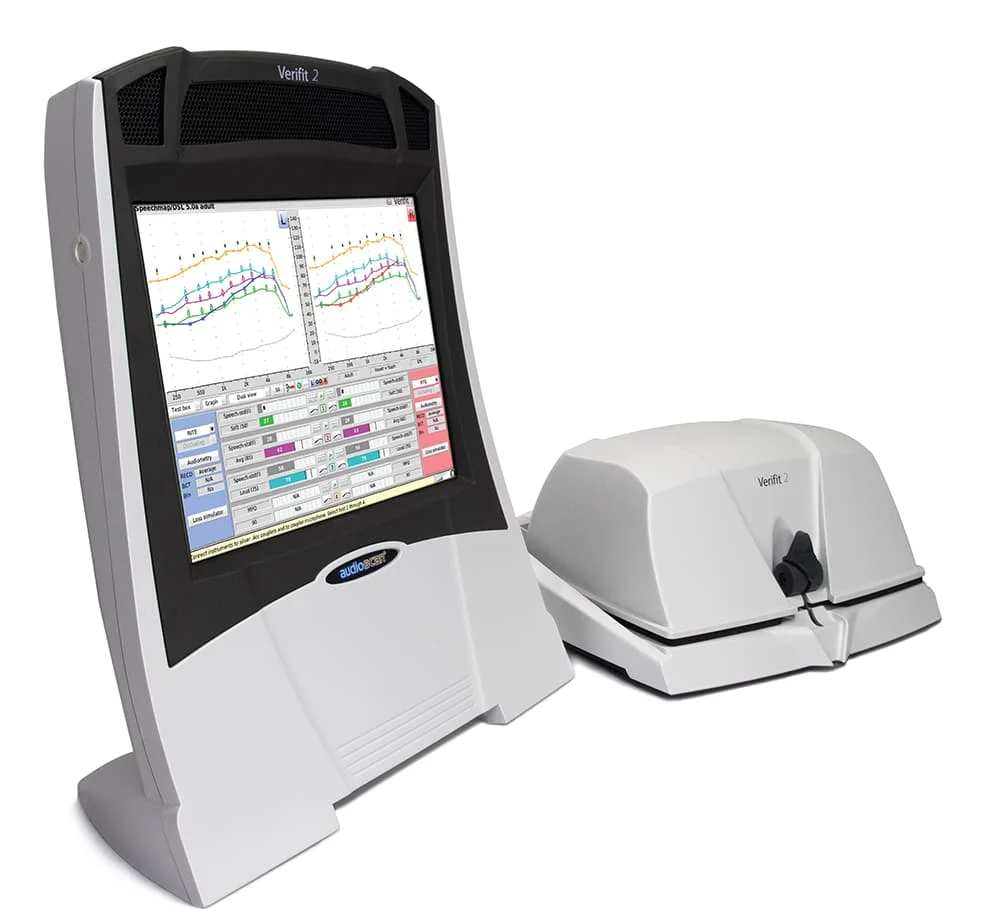
They may just be running it through the testbox and they are calling this “ simulation”? We do in the testbox all the time for wiggly babies/toddlers who will not sit still for on-ear measures. Or ears where on-ear is impossible for whatever reason. However, ideally we are still getting an to improve the individualization in the testbox. Toddlers also all have occluding earmolds–testbox is much less appropriate for an device.
on-ear (with RECD) > on-ear (without RECD) > test box (with RECD) > test box (without RECD) > nothing
You could be right though, they could be referring to in situ as “simulated REM”, but that would be much more weasle-wordy. Oh no, wait, they said “Using the simulator also checked that the device was working well from the manufacturer”. That’s the test box. Nice that they are running checks, that’s also preferred practice.
If you have a good and a good mold, absolutely. If you have an dome and an RECD and a good understanding of how to manage the way the lows will appear in testbox then sort of. Test box will certainly overcome manufacturer deviations from prescriptive targets. Aside from that the biggest issue is the acoustic coupling to the ear and the individual ear shape. If someone has a very average ear and a solid coupling with very controlled venting (say, an ) then a testbox will do very well even without an RECD. The RECD will help with the individual ear shape, but still won’t really overcome a more variable coupling. All domes would be better to do on the ear.
If someone is just really trash at placing a probe tube then test box may often be better. But honestly, it’s really not that hard to accurately place a probe tube. Sure it takes a bit of practice.
We use our testbox all the time and don’t really say much to patients about it, it’s true. For example, if I do a very nice on-ear fitting in the beginning and the patient is happy and everything is great, I will run a testbox measure of that fit and then the next year when the patient comes back as long as everything is stable I can just run the device through the testbox, see that everything is functioning identically, and I don’t have to do on-ear measures. We use it in the same way to check function when a hearing aid has come back from repair along with the tests to ensure the device is to spec. We test noise reduction and directional mic functions in the testbox (and battery drain, although not as much these days). I use it when I want to make sure that two hearing aids from two different manufacturers are matched as closely as possible in output. We use it to verify gain is to target. It’s really a very heavily used device.
Thanks again for the great explanation of the test box. Pretty fancy box, very technical.
Is this test box going to be found at all places that sell or fit hearing aids? I ask because it hasn’t been mentioned where I have been and it’s not mentioned much here on the forum. I do remember Umbongo talking about it.
Thank you all and @Neville for all the additonal info. Ann had her third appointment with an audiologist this past week and she is mulling it all over this weekend.
Short run down:
1st appt with Audiologist. The audiologist was all about the Oticon hearing device and unfortunately wasn’t a very good listener given Ann’s criteria. They would use Real Ear Measurement with the probe and were very dismissive about other practices who use “ Simulator”. They only priced the Oticon rechargeable hearing aids and wouldn’t discuss anything else.
The 2nd audiologist was a better listener. They had no problem with providing a Phonak Audéo Lumity L90 with replaceable batteries. Only issue here is that they only use the Real Ear Measurement on certain hard to fit individuals, for Ann and most others they used the “REM Simulator”. I understanding now is that they were most likely talking about a “test box”. (Thank you Neville!)
3 The 3rd visit. At this point we think we are getting a bit more knowledgeable and ask a few more questions before making the appt. We specifically asked what brands they work with and Phonak was one of them. We couldn’t have been more surprised to run into another Audiologist who simply dismissed Ann’s questions around Phonak and the rechargeable battery model. Actually they dismissed any other brand than Oticon and only priced that model out.
Ann is very reluctant to go with the 1st or third audiologist as neither listened and she has doubts about their ability to hear any concerns should she have any in the future And she is disappointed in not understanding more about what constitutes best practice, but thanks to so many replies here she and I are beginning to get of more a picture on this.
At this point because of tech, sound, and disposable batteries Ann is considering going to the 2nd Audiologist above, but is mulling it over this weekend. She is also thinking of mentioning her concerns about not being fitted using Real Ear Measurement and perhaps not getting full value out of her new hearing devices. She has nixed Costco for the moment because she really like the sound of the Phonak especially with music and because they sell Hearing Aids that are rechargeable. There is one other audiologist she is considering but there are several barriers to using them as they are associated with a university. She has to be a member of the community ($), and there is a nonrefundable upfront cost (which might be fine but it isn’t clear what it is) and it is just harder to connect with these folks.
I learned a lot more working with Ann and listening to your experiences and thoughts and when I need new hearing devices I will be much better prepared around so many different questions than I was previously. Thank you all!
I experimented with In Situ on a pair of my OPN S aids. It impressed me. since then I have been learning all I can and it has been a game changer for me. I cannot believe how well I can hear people talking now. I don’t have any of the troubles I had before. There is a lot to learn using Genie 2 and In situ but it is worth it I think.
Is this test box going to be found at all places that sell or fit hearing aids?
I want to say yes, but realistically I don’t know. I’m sure there are places that have test boxes with no real-ear component and vice versa. Any place interested in preferred practice will have both. Next time you’re getting done, just look nearby for the box.
@Neville, Thank you. Just one thing when you say “just ask what the cost would be to have the extra on-ear step done” do you mean the Real Ear Measurement with probe? I’m not sure what you mean when you say “on-ear”?
And the image above is the test box correct? The box part looks similar to equipment I’ve seen where the audiologist is calling it the “ Simulator”.
Is there an image for a “Real Ear Simulator with probe” product?
When I search for these products as I have in the past, I’ve come up empty handed, which has led to some confusion on my part.
I did a little research on this test box. It is a very slick device. The patient doesn’t need to be present to set up and program the aids. I see your point about on the money correct programming with it. Acoustics could open the door for error. I read about the Auditdata test box.
Everywhere I looked the device was called “the test box”. Not simulator or anything else but I sure could be mistaken about this.

 Texas Hill Country


 Poland