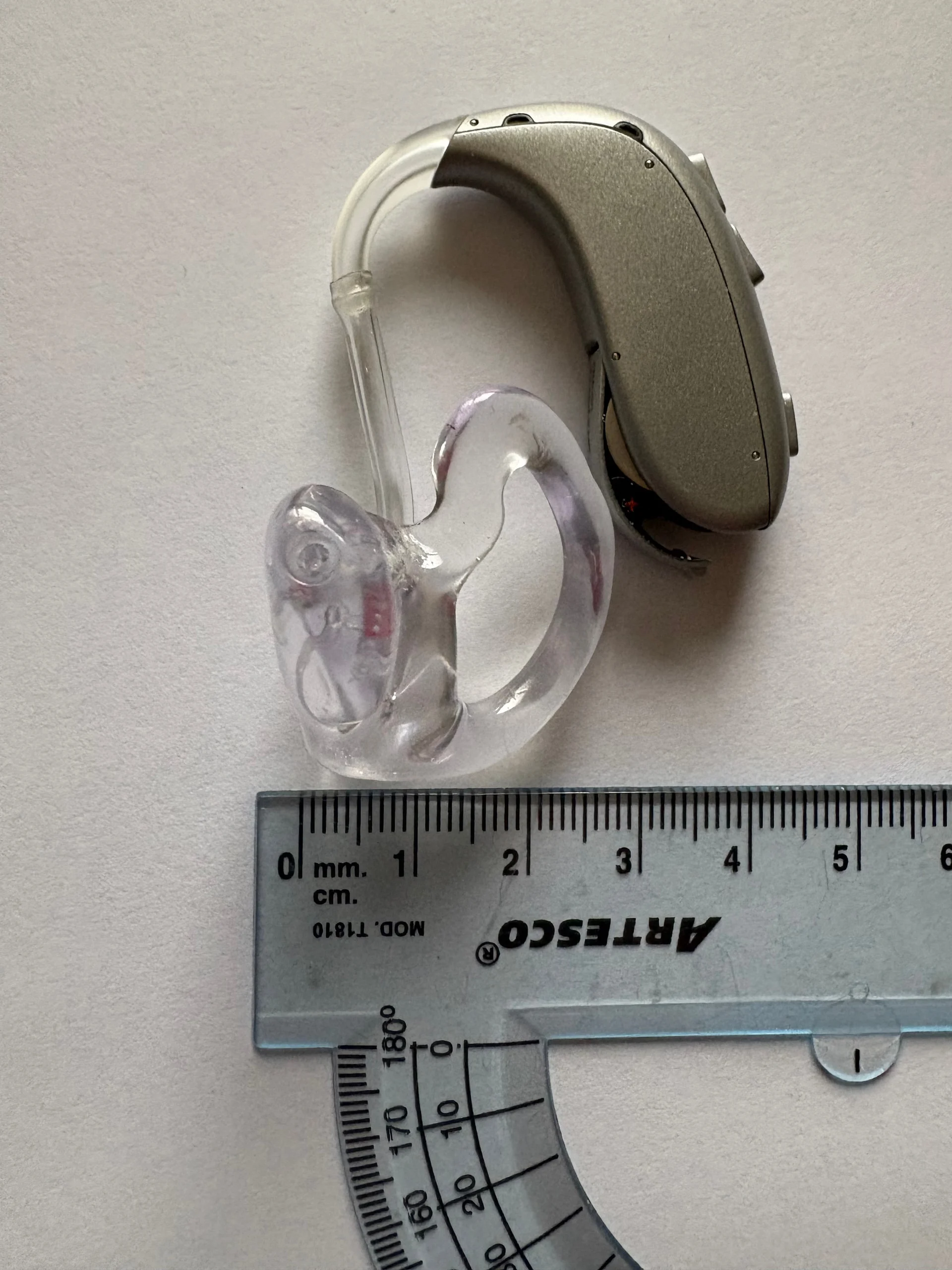
Yeah is mostly nonsense on a lot of subjects, just head back to your clinic and follow your audiologist’s advice on which moulds would be suitable for you as there’s lots of choices, you don’t mention what acoustics your using at the moment.
Deep canal molds are not the initial approach when dealing with occlusion; venting is. I’ve tried EVERYTHING, Venting, lower the low frequencies, etc. Everybody Ive seen just ignore my occlusion like if it didn’t exist, several hearing supposed professionals, they make easy money selling hearing aids for people with low or mild hearing loss. I have severe to profound hearing loss and need to keep the vents small, Well thanks for your opinion
Yeah, Is mostly nonsense on a lot of subjects. But what if it isn’t nonsense with this occlusion solution? The only way to know is to test it.
Just head back to your clinic and follow your audiologist’s advice on which moulds would be suitable for you as there’s lots of choices, you don’t mention what acoustics your using at the moment. They don’t know but if they did, I wouldn’t be here asking for suggestions and I wouldn’t have to learn to use Phonal Target and Oticon Genie.
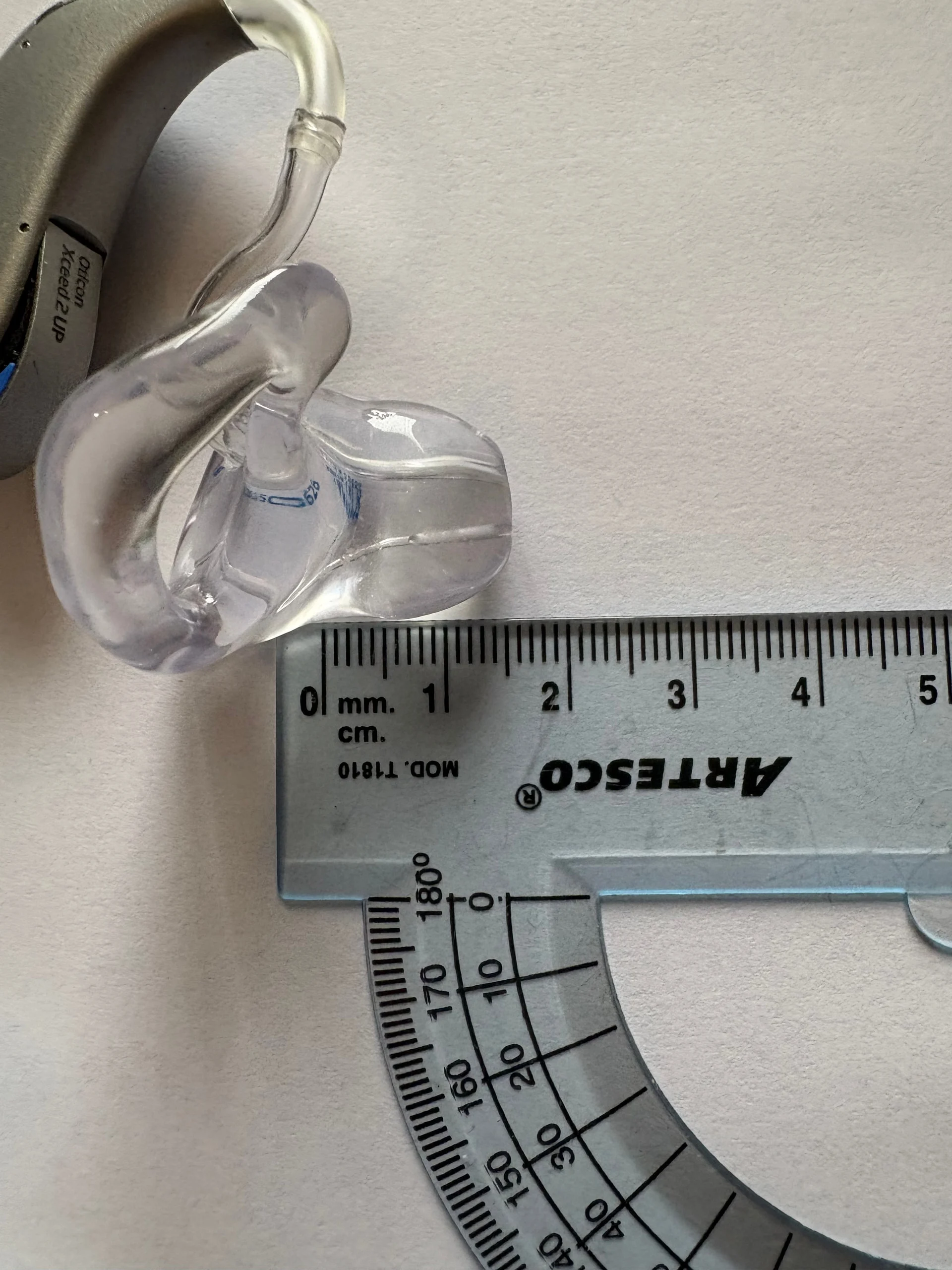
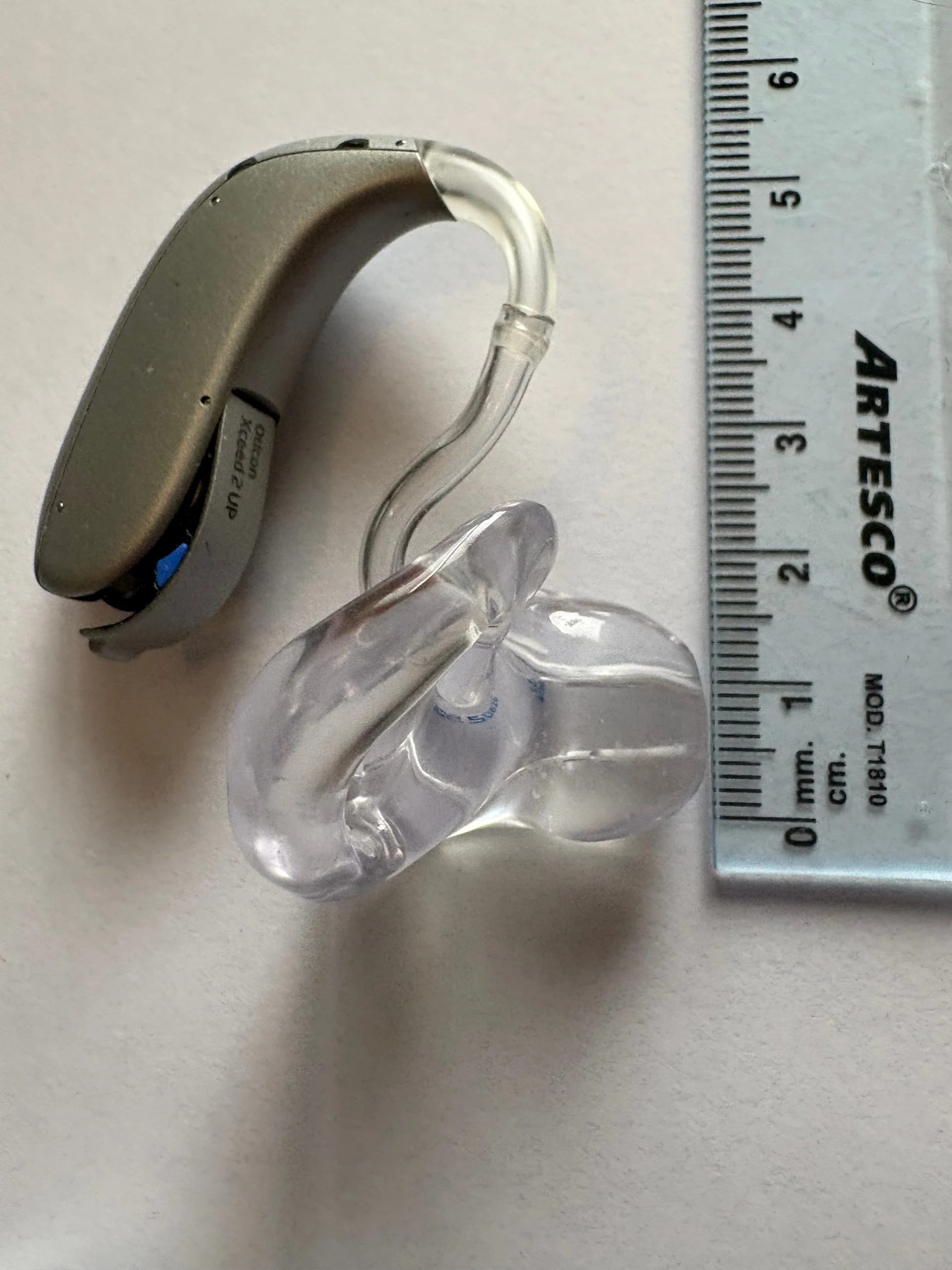
Now I have acrylic skeleton molds with 1mm vent, but I’ve tried every mould except this deep in the canal mold. I’m going to just go to the Hearing health professionals as they are called and get one done and test them, I just wanted to know if anyone had hose molds with the hearing aids, Thanks for your opinion
As you now know occlusion is solved with correct sized vent, I don’t understand why any qualified audiologist would ignore your complaints about it? as it’s so easily solved in most cases for most people, have you had second opinion on your issue.
Now I have acrylic skeleton molds with 1mm vent, but I’ve tried every mould except this deep in the canal mold
Well something isn’t right, having deep mould is going to allow you more gain without feedback which is a good thing, just wondering if you’d tried blocking your ears with your fingers, what type of occlusion do you notice, is it different from when you have your moulds in?
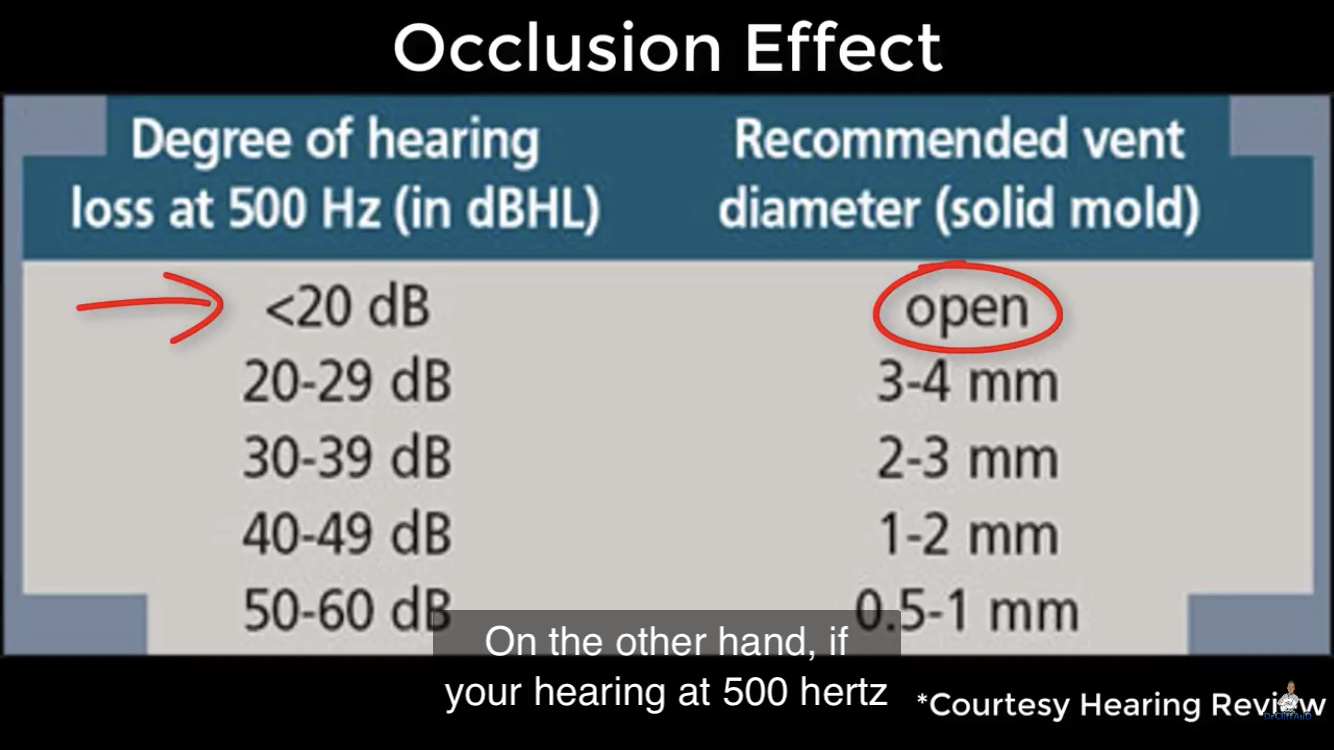
Ok. Do you mean a slightly larger vent hole in the same style domes? Came across this, not sure if it’s correct information or not
[image]
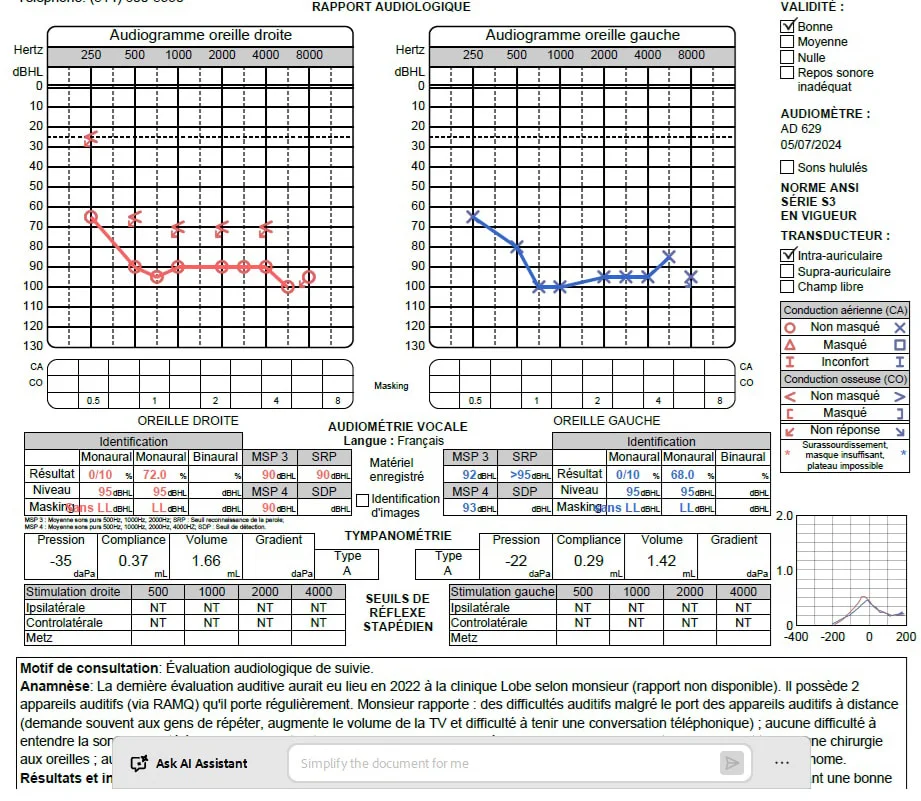
I thought (and read) that mostly people with good low frequency hearing were affected by occlusion effect but yours is in the severe range. Maybe one of the experts here can explain why a person with severe low frequency loss is experiencing occlusion and why you haven’t been able to adapt with continuous use. Is it possible that something else is happening ?
The occlusion is with blocking my ears with fingers and with molds and the hearing aids off. With the molds and the hearing aids off it sounds lauder than with my fingers, when the hearing aids are on there is occasion and the sound of my voice is very loud. If the vents are made bigger I will lose low frequency amplification, and with the hearing aids on If I press the molds with my fingers the occlusion is gone.
said that is because there isn’t a proper seal and a proper seal reduces occasion and also a deep in the canal mold, it’s funny when I read some comments saying that occlusion is easily fixed by a hearing care professional, well my experience with most of them with occlusion is that they are very elusive and have not helped me.
If the vents are made bigger I will lose low frequency amplification
Um no, yes thats only the default reaction in the software, this is where the audiologist experience comes in, so they get adjusted and new feedback test and “boom” (they’ll probably redo as well) but anyways it’s not your low frequency you should be worried about, for your audogram it’s mid to higher,
AI said that is because there isn’t a proper seal and a proper seal reduces occasion
Can you please stop quoting , a mould with sound leaking is gonna give you feedback at your loss, yes a deep mould for severe profound losses is a good thing,so absolutely go get it made, most people with your loss would go for occluded fit anyways, maybe this is something you just have to get used to?
it’s funny when I read some comments saying that occlusion is easily fixed by a hearing care professional,
But it is for most people, ok so your still having problems and you’ve obviously seen a few with the exact same results, this part I can’t understand? Not good at all! actually we do have another forum member that had similar issues, I think it was @Bimodal_user he went quite technical on his mould and found some interesting information, reach out to see what insights he made.
You haven’t written about your hearing aid model. Is it or ? An earmold must lay a bit on the bony part of ear canal, which is roughly 1/3 of canal lenght, closest to the eardrum. In most cases, simply “earmold impression to the 5 mm past the second bend” is sufficient, provided that it covers that bony part.
That requires deep silicone impression or scanning. That requires also proper size of ear canal cross-section to fit the vent, receiver outlet (with RICs) and decent thickness of acrylic walls.
The solution for keeping the tip part of the earmold as small as possible is:
no vent/pressure vent
titanium earmold, which can has thinner walls than acrylic (unfortunately, Phonak cShell can provide minimum 1mm diameter vent, no smaller )
Another option is BTE, then you require only 2mm for sound bore and 2x some thickness of wall on both sides of it. However, many BTEs lacks amplification of 6-10 kHz part, so there’s a tradeoffs, but not necessarily in your case, that should be tested.
Everybody Ive seen just ignore my occlusion like if it didn’t exist, several hearing supposed professionals, they make easy money selling hearing aids for people with low or mild hearing loss.
Maybe it isn’t occlusion but “ampclusion”? Does occlusion effect persist when you turn hearing aids off while keeping them still in the ear?
If I were you with no financial constraints and with RICs:
UP receiver (Phonak) or 105 receiver (Oticon) - assuming you have from them
request for to get the deepest possible earmold impression. The advices are in the link below. You can recognize impression of the bony part of the ear canal by its smoothness compared to the rest of its lengths, because there are no hairs in that part of ear canal.
If it is possible - titanium earmold, but in case of Phonak cShell with no vent, because 1mm is probably too large for you and increase the size of the tip of the cShell.
EDIT: This is continuation of my topic about my experiences with titanium cShells:
END OF EDIT
DISCLAIMER: Titanium cShells are not a cure for anything. Please have mercy on your HCPs and don’t insist on titanium if you don’t have experience with acrylic earmolds/cShells (you used domes only) and you don’t have an allergy or a narrow ear canal, because in case of discomfort the waiting period for remake will be too long. Make sure you’re comfortable with acrylic/silicone ones previously.
I…
My case: I have RIC Phonak Infinio Sphere 90 with UP receiver, titanium cShell and 1mm vent (confirmed by Phonak company contact. No occlusion effect or minimal in my case. In the next try I’ll order cShell with no vent and deeper reaching for additional retention and “free” gain due to acoustic Boyle’s law.
Someone posted this here while back. This topic has been discussed in the past.
Ok. Do you mean a slightly larger vent hole in the same style domes? Came across this, not sure if it’s correct information or not [image]
That table should be treated as very rough rule of thumb, nothing engraved in stone. In my particular case, it’s bullshit, having large vent is catastrophic for usefulness of my hearing aids. YMMV.
thank you for this useful information I’m going to copy it and give it to the that’s going to make the impressions. Yes I hear my own voice with the off. Right now I have oticon infinios c shells and up receivers and oticon xceeds 2 up. First I’m going to do the deep in the canal impressions for the xceeds and if they are successful then I will get them done for the infinios. With the infinios c shell the HCP reduced the vent from 1 mm to pressure vent with plastic tubes or adapters, thanks again for the good information,
With the infinios c shell the HCP reduced the vent from 1 mm to pressure vent with plastic tubes or adapters,
This is kind of solution, but you have to keep in mind that still that vent is occupying space. Without that vent you could get deeper reaching cShell.
I contacted a clinic with experience with deep in the canal impressions, and they said that past the second bend it can be uncomfortable, and many patients are not willing to proceed that far. Question with my regular acrylic skeleton molds with the oticon xceeds, the occlusion, ampclusion of my own voice disappears when I press the ear molds with my fingers towards the ear and that doesn’t make the tip of the mold go paste the second bend it just improves the seal of the mold with my ear. Why does my own voice almost disappears when I do this ?
I contacted a clinic with experience with deep in the canal impressions, and they said that past the second bend it can be uncomfortable, and many patients are not willing to proceed that far.
“Many” doesn’t mean it’s “all”. It is something possible to getting used to. @Zebras has great pink silicone earmoulds with 0.8 mm vents (not possible material for cShells) and she has told me that there is some time necessary to get used to them.
You can test it out by getting something like a P receiver with power domes (I think it’s more likely to be S or M size, as the ear canal is smaller the closer it is to the eardrum). And carefully pushing it very deep making sure the receiver isn’t tilted too much.
Unfortunately, it’s a pretty pricey solution, and the P receiver is just too weak for you. You can’t even get UP with power domes, only with cShell.
with my regular acrylic skeleton molds with the oticon xceeds, the occlusion, ampclusion of my own voice disappears when I press the ear molds with my fingers towards the ear and that doesn’t make the tip of the mold go paste the second bend it just improves the seal of the mold with my ear. Why does my own voice almost disappears when I do this ?
I’ve had the same issue. It’s because, after pushing cShells deeper with my finger:
tip part of the cShells may start to lay on the bony part of ear canal
You dampen vibrations in the cartilaginous portion of the ear canal (external 2/3rd of the ear canal)
Read more about mechanism of the occlusion effect in e.g. Harvey Dillon books about hearing aids.
Hi and thanks for your suggestions,
but since I will try to this with my Exceeds first, they have the receiver in the hearing aids and not in the canal. Question, when I press the molds with my fingers inward to the ear the occlusion disappears, and they are just regular molds not deep in the canal, why is this? Maybe is it that if the molds made a better seal this could be fixed? Thanks
Wow, great mold with very thick walls!!! I think you can make it longer because acrylic needs walls to be at least 1mm thick (I think that’s right, but please someone tell me if I’m wrong) or, in some cases, 0.8mm.
The sound bore could be made even smaller if the ear mould had ear hooks instead of a threaded silicone tube.
Question, when I press the molds with my fingers inward to the ear the occlusion disappears, and they are just regular molds not deep in the canal, why is this? Maybe is it that if the molds made a better seal this could be fixed? Thanks
I have already answered that question in my last reply.
Hi,
Yes lots of progress, with speech understanding thanks to The Even G2 smart caption glasses, hearing aids have become just sound amplifiers for security like sounds of cars, horns doorbells water fawcett, speech recognition with the glasses is flawless even in cars and noisy environments, for years I was struggling with this. Not anymore, the Even Glasses have been on the market for two years it’s too bad I didn’t know about this before but In very happy now… Better late than never. And with the occlusion just lowered the volume not looking for perfection to understand speech with hearing aids just comfort. Thanks for your help!
hearing aids have become just sound amplifiers for security like sounds of cars, horns doorbells water fawcett,
That’s strange. In your first posts you have around 70% monaurally (I don’t see WRS checking). That means that especially in quiet situations you theoretically can talk with someone.
Have you ever had (Real Ear Measurement)-based fitting?


 San Francisco
 Poland

 )