 Auckland, New Zealand
Active noise cancellation (ANC) is widely used in headphones but remains uncommon in hearing aids. Although ANC can reduce occlusion and improve streamed-audio listening in noise, its value for understanding speech in noise is less established.
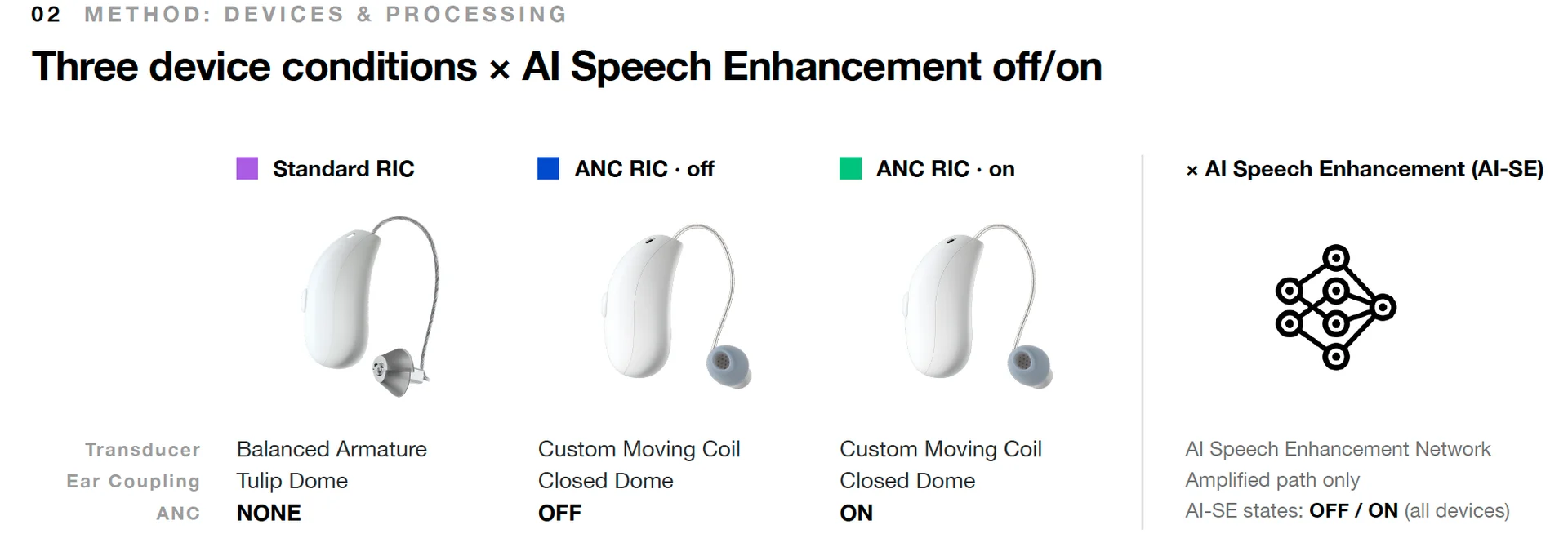
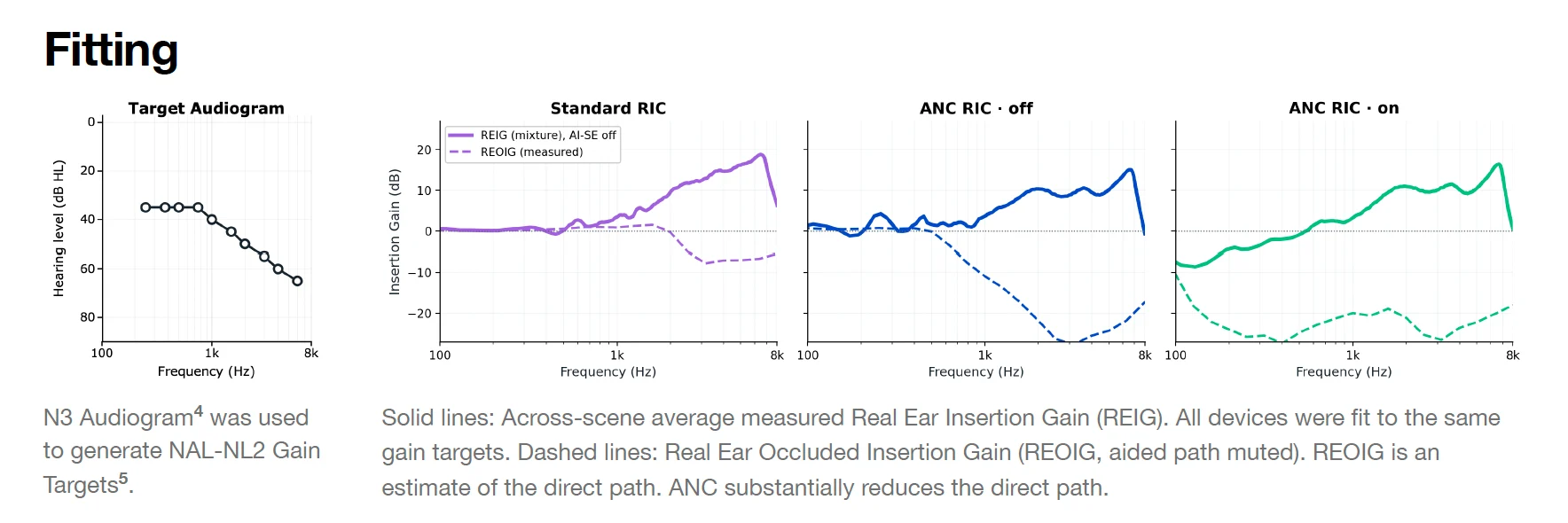
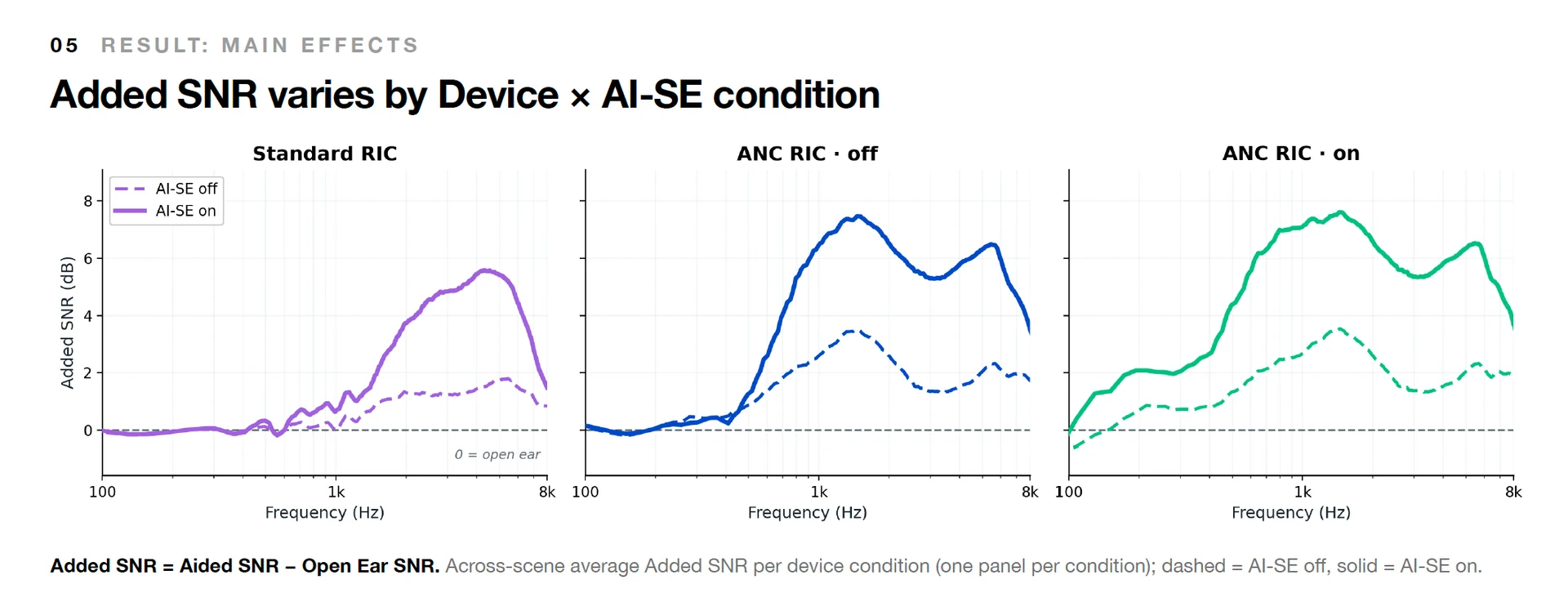
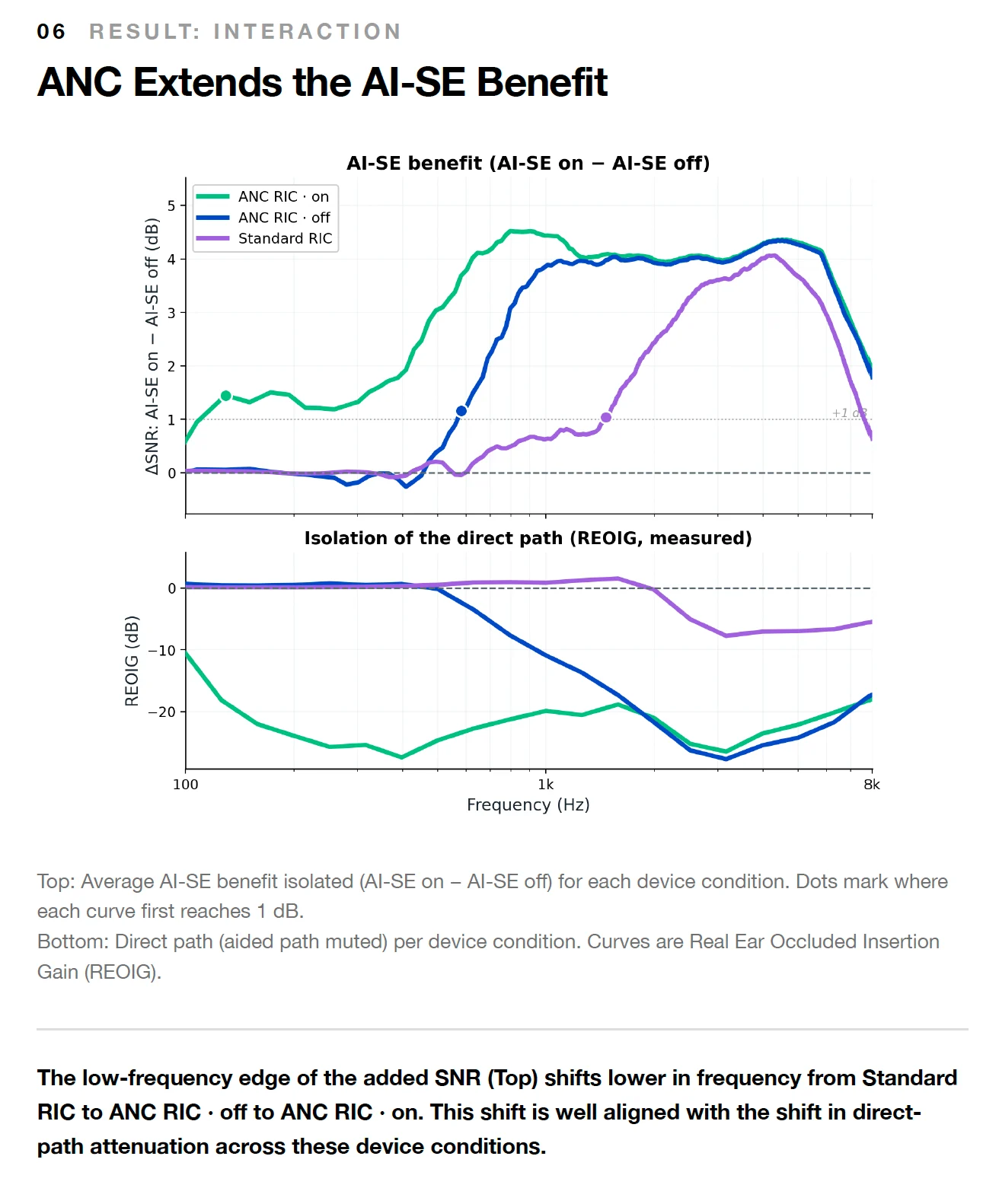
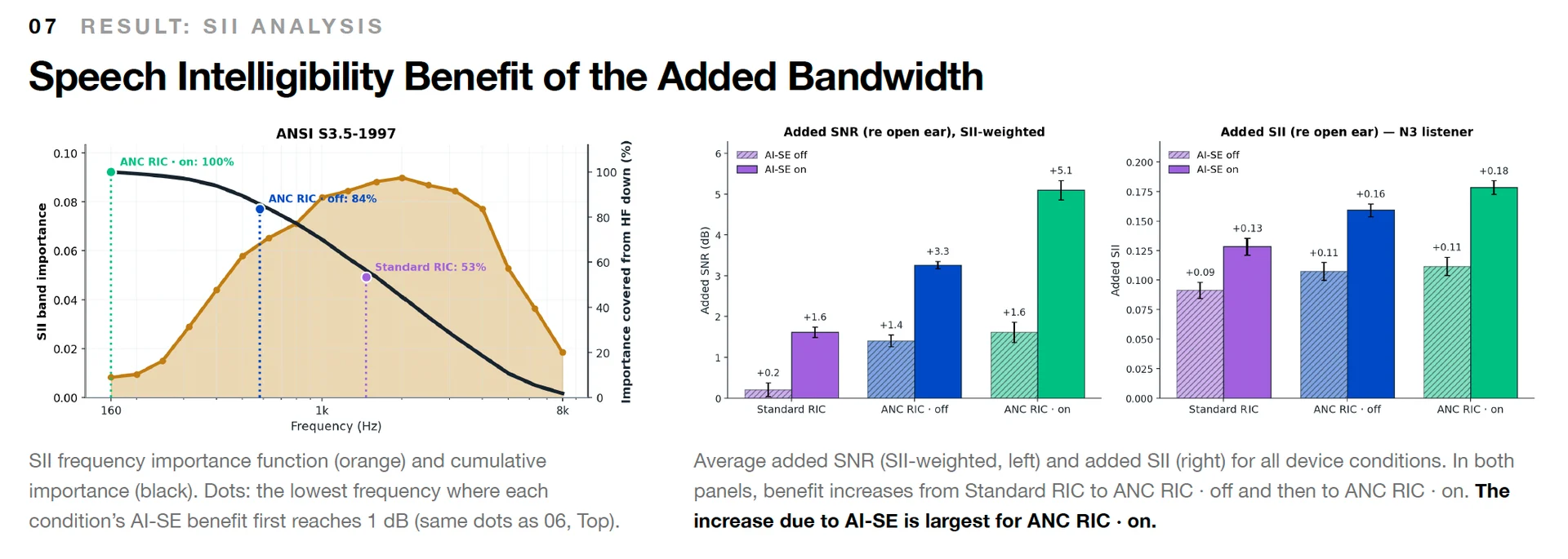
Because -enhancing algorithms operate only on the hearing aid’s amplified path, the unprocessed direct (vent-transmitted) path limits how much noise reduction reaches the eardrum. ANC attenuates this direct path, allowing such algorithms to reduce noise beyond the limit imposed by a typical hearing-aid fitting.
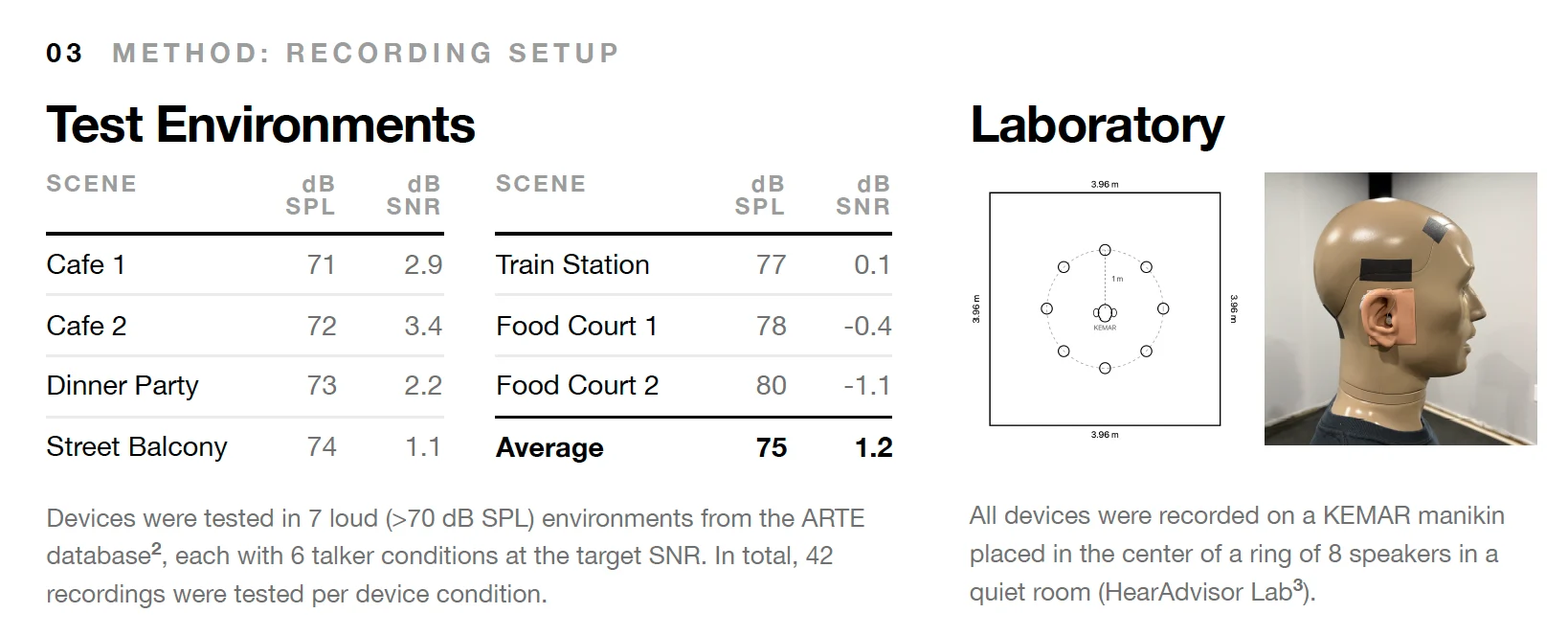
Our previous simulations of this mechanism predicted substantial intelligibility improvements when ANC and SNR-enhancing processing were combined. Here, we use recordings from commercial devices in realistic acoustic scenes to examine how ANC interacts with an speech-enhancement algorithm.
- via Andrew Sabin, PhD in his role at Bose Corp. From his IHCON 2026 poster.
 Estimating SNR from Recordings
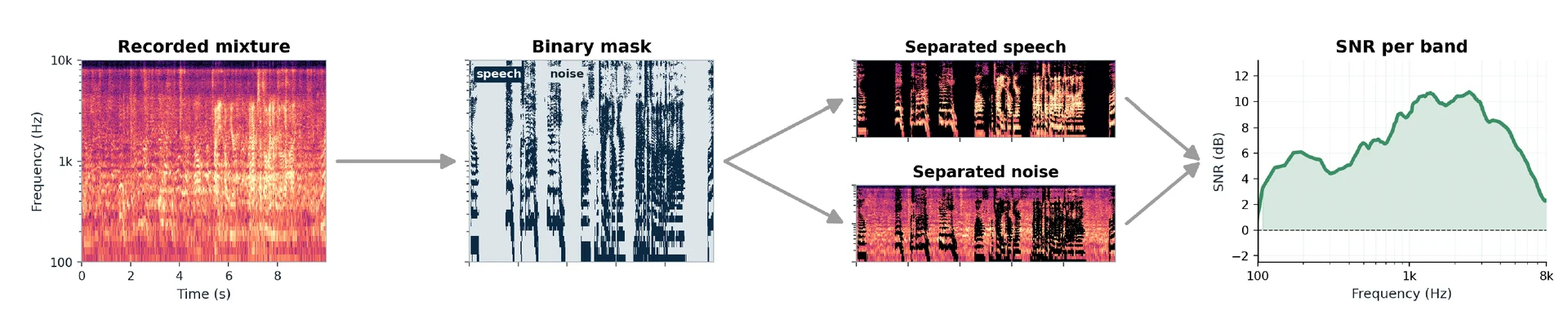
Each recording is split into speech and noise using a binary time-frequency mask derived from reference recordings. Subtracting the noise spectrum from the speech spectrum gives SNR per band.
You’re ignoring this member’s posts.


 Poland
 San Francisco