Someone on Reddit told me to bring this here, said there are a lot of Android users over here. Fair warning first: I work factory side on aids, so I’ve got a stake in the answer.
What I’d claimed was this. Phone in one front pocket, and the aid on that same side drops first. Swap pockets and you swap the ear. My reasoning was 2.4GHz and a body in the way, since pocket to the opposite ear is the long path.
Then he ran it. Pixel 9, Oticon Intent, start to finish, no extra hardware. Left pocket, right pocket, shirt, shorts. Four combinations, not one dropout. I conceded over there and I’m not walking that back.
Someone else ran the same swap and got exactly what I’d described. Move the phone, the bad ear moves with it. I don’t have their phone or aid model though, which is part of why that one is harder to weigh.
So it’s one result each way, both n=1, and I can’t tell which is the odd one out.
Fair question why I don’t just test it myself. A bench can sweep parameters all week but there’s no torso on it and it doesn’t go for a walk, and I think the walking is most of what’s going on here.
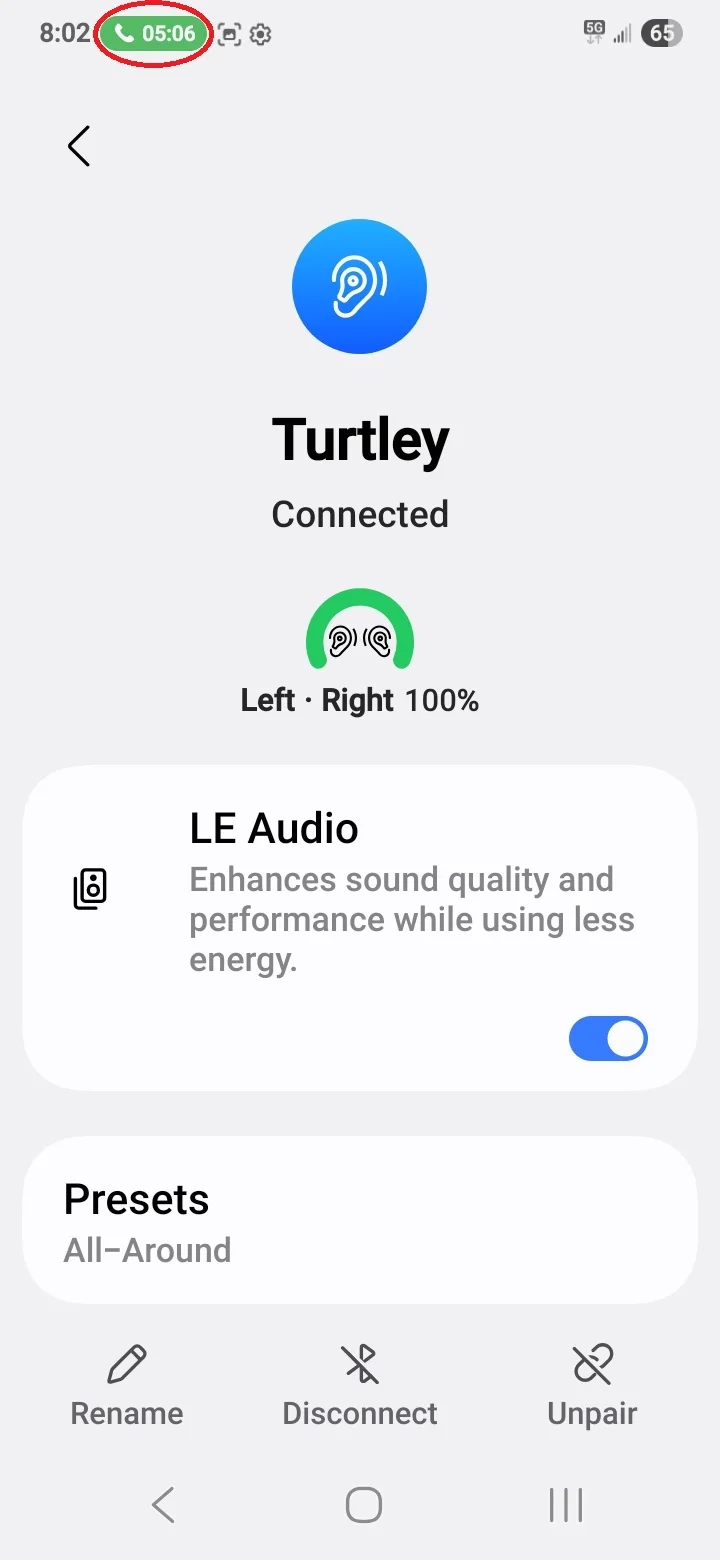
If you’ve got LE Audio aids and a Pixel or Samsung that does LEA:
Put something on through the aids first. Music, a podcast, a call, whatever you’d normally stream. If nothing’s playing there’s nothing to drop. Phone in one front pocket. Walk five minutes. Note which ear cuts out first, if either does. Then move the phone to the other pocket and walk it again.
Two walks. That’s it.
When you post, say which aids, which phone, and whether it’s actually LE Audio rather than classic Bluetooth. Tell me what you observed, not whether it confirms anything.
Both directions count the same. Each one has exactly one data point right now, so a second clean run and a second dropout are worth exactly as much to me. Whatever comes back I’ll post in this thread, including if it goes against me again. It isn’t going anywhere else.
Thanks either way.
You’re ignoring this member’s posts.



 CT
 Poland