I'm more than a month into my 60-day trial of the new Signia MaX 5 . I think the hearing quality is very good, and the hearing in noise experience seems a tick better than my previous Phonak Audéo Lumity HA. HOWEVER, I realized that for my retired lifestyle, I'm spending much of my time switching back and forth from iPhone to MacBook, and that's where the Signia experience fails. It may sound like a little thing (or first world problem), but not when it requires hunting down one device to turn OFF , or needing to reinstall and re-pair the HAs, which happens all too often. So I'm looking for other brands that might fit the bill OTHER THAN Phonak. My insurance-mandated provider charges more than three times the co-pay for the same level Phonak Eon 70. Any suggestions?
You shouldn't need to disable/turn-off Bluetooth on one device just to connect your hearing aids to another. The Signia Max, AFAIK, uses the same Bluetooth (classic) as Phonak.
Have you tried using AirPlay to select your hearing aids directly from the device you want to stream from? If the are paired to both your Macbook and iPhone, Airplay should work.
Yeah, you suggested this before in my other thread where I was providing updates to my trial period with the MaX . Airplay doesn't work with these. Thanks for trying.
Limited experience among the different makes, but Phonak will win hands down on the bluetooth connectivity and seamlessly switching between devices. From my own personal experience and a few years of reading forum after forum reply to the iPhone vs. Android and Phonak Bluetooth vs. all others...
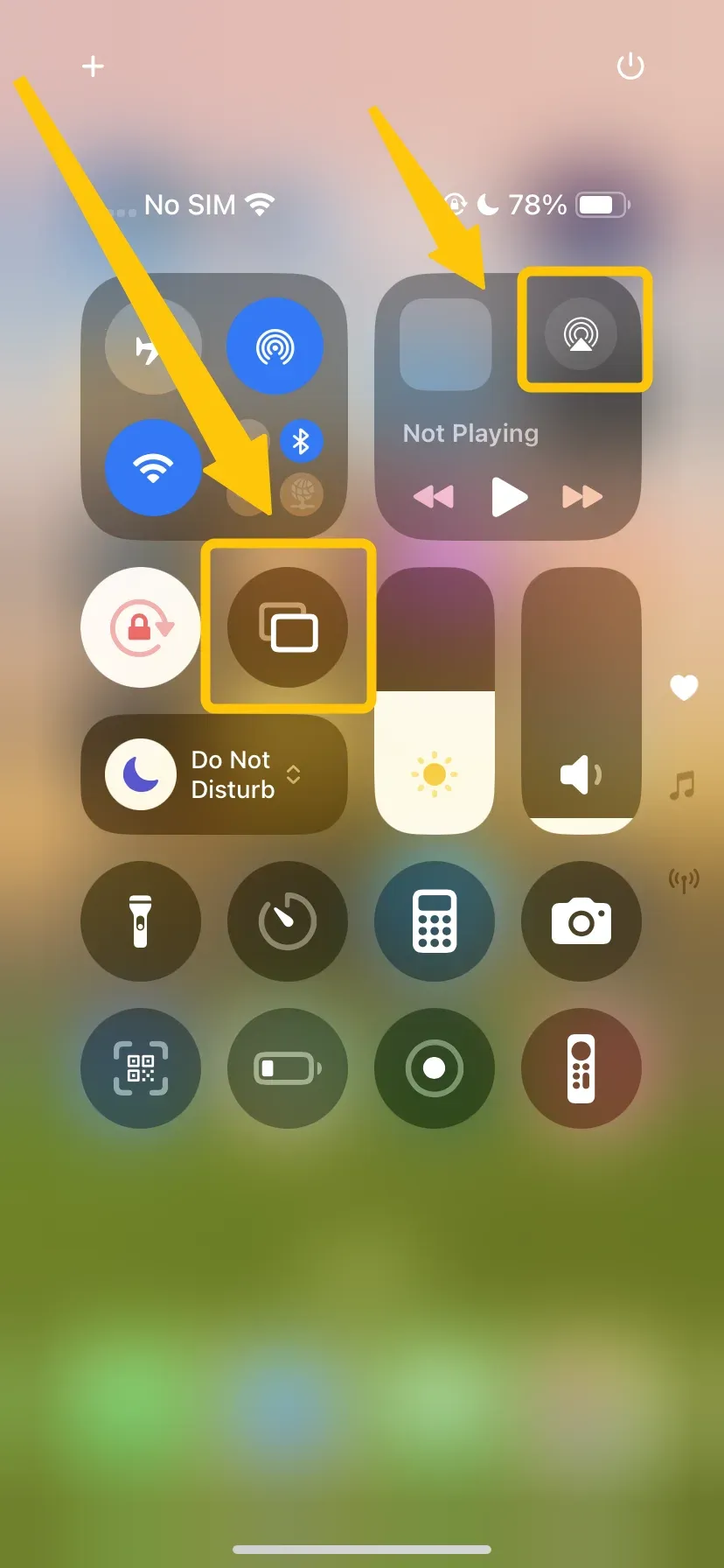
There may be some confusion about AirPlay. In the audio playback widget (there is an AirPlay icon which appears as a triangle with sound waves) for routing all audio as shown in the upper right here: https://popular-chocolate-6f816fc165.media.strapiapp.com/what_does_the_airplay_icon_look_like_01_54da6ed1f9.webp2 Can you select that AirPlay icon and then choose where to route the audio output? You can also make a shortcut to route the audio to a selected output.
I just tried, and even though my iPhone shows it's connected to the , when I go to the AirPlay icon as you described I only have two choices: MacBook, or iPhone Speaker. NO Hearing Aid option. So far none of the "work arounds" work to get easy switching between two devices.
As a last resort effort if you by chance happen to live near an Apple Store, you could try taking both Apple devices and see if they could help with this?
If I understand your question correctly, I believe you need to pair your hearing aids like you would any Bluetooth pairing. With my phone, I put him in the case and took them out, and they showed as pairable on my MacBook.
If I recall correctly, the Phonak aids will pair with 8 devices and connect with 2 at the same time. I am an android user, but telephone calls on my Phonak aid stop streaming until I hang up and then the streaming starts again without my needing to do anything.
I have Signia Pure Charge & Go. Three bluetooth devices, plus a transient visiting device, at once has been working for me. No un-pairing, re-pairing. No Turn Off, Turn On stuff. The devices coexist happily in the hearing aids.
They can be paired with (connected to) the MacBook Air M4 (MacOS 15.8.1) and the iPad A17 (iOS 27.0.1) and a Lenovo Motorola phone (Android 11) at the same time. They connect automatically when near a device. No intervention is needed. If I have my Garmin running tracker on, it'll connect to the MacBook Air without blasting away the hearing aid connection.
I thought the stronger signal would nuke the weaker, but a cool thing is all of them are connected. Example: MacBook Air set up to notify with sound for a Calendar Event. Listening to music on the iPad. Calendar Event arrives & the notification sound goes right over the music. Then, back to music by itself. I can also have the phone app open and mess with the settings while listening to music.
The glitch is that the Android phone bluetooth for the hearing devices is only to use the Signia app. No streaming is allowed (per Lenovo tach support. "Buy our newer phone...")
My insurance-mandated provider charges more than three times the co-pay for the same level Phonak Eon 70.
Off topic, but in the US this is "open enrollment" time for Medicare. I've always had "traditional" Medicare and paid for a "full service" Medicare Supplement policy, but those NEVER cover hearing aids. I have NO idea how much so called "Medicare Advantage" programs pay for hearing aids, whether they demand you purchase from a restricted number of , etc. Can your point me to a discussion of that or give me some idea what works with your carrier?
I don't mind answering, off topic or not, since we're here. Advantage programs are not created equal. Even among the same provider. I have Kaiser Senior Advantage and because it came as a retired teacher it comes with a supplement of $2,500 per HA every three years. The "catch" is it must be spent at HearUSA, and they charge quite a bit more than the average. You'll have to compare advantage programs of HA coverage is important to you.
That is a glitch, indeed, since MY two desired devices are my MacBook and my iPhone. I use my phone for calls, streaming music, audiobooks, and YouTube, so I need to be able to go back and forth. Lately it has been working a bit more smoothly, when I turn off on one device, before turning it on with the next device. But it's still not reliable.
Some Part C (Medicare Advantage) plans have good hearing air coverage. The provider I chose was a MD/DO/ neurotology/otology clinic with audiologists on staff. The one I had when last purchasing hearing aids provided the top end Signia of the time, 3 year warranty, 3 year lost-stolen-damage coverage and unlimited visits with the Doctor of Audiology. Cost to me was zero. The monthly premium for the plan was negative-45.00. (They paid me 45.00 per month).
But, as with other insurance plans of any type, there are trade-offs. For this plan, Tier Four medications had a deductible & some other plans do not. I use no tier 4, so it ,mattered not. Eyewear was lower, too. Some plans gave $375.00 per year for eye wear. This plan gave $350.00.
Note well, if considering a supplement plan (Medigap), that all except 2 categories have no out-of-pocket maximum. This means any portion of medical expenses you pay continues for the entire year. I looked at what I would have paid with Regular Medicare, the best and most expensive supplement plan and my Part C plan without out-of-pocket max after a medical "event" I endured. With regular Medicare, my 20% out-of-pocket would have been over 2.8 million dollars plus drugs. The most expensive supplement plan would have left me with 1.99 million dollars to pay. The Part C plan: 99 dollars total out of my pocket- including all therapies and follow-ups. The plan at that time had zero monthly premium and zero deductible.
Also note that with Supplement plans, the insurer can raise your premiums due to medications used, age, pre-existing conditions and how you used medical services the previous year. (First year- They cannot. All are charged the same.)
Plus, you will have to buy a Part D plan separately. Most Part C plans (Advantage) include Part D coverage. And- one more head exploding item- if you don't sign up for Part D or C with D when eligible (requirements vary widely), there is a lifetime penalty. So don't skip Part D without learning the details first.
Just some often forgotten or confusing items to mention.
Note well, if considering a supplement plan (Medigap), that all except 2 categories have no out-of-pocket maximum.
Thanks for that comprehensive post. I'm on traditional Medicare with a Plan F supplement and a separate Part D PDP (prescription drug plan). The ONLY reason I'm considering a Medicare "Advantage" plan is if it could substantially reduce the cost of VERY expensive Phonak Eon Sphere 90 while still permitting me to see the medical providers I now use. I didn't realize that trying "Managed Medicare" (Part C) was essentially a one-way trip (if I wait longer than one open enrollment period I might never again be able to move back to traditional Medicare. I still don't know whether Medicare Advantage plans can DRAMATICALLY reduce the cost of premium HAs, or just make a few to several hundred dollar discount available.
And, apologies for hanging these posts onto a thread with a totally different subject!


 San Francisco