I’ll do my best. I don’t sweat much and I live in a dry city , Ankara .
Let’s see what’ll happen.
Do the hearing aid receivers themselves not have moisture protection?
I’d better ask the phonak support.
You’re ignoring this member’s posts.
This topic is closed.
29 replies3.5k viewsLast reply
I’ll do my best. I don’t sweat much and I live in a dry city , Ankara .
Let’s see what’ll happen.
Do the hearing aid receivers themselves not have moisture protection?
I’d better ask the phonak support.
You’re ignoring this member’s posts.

Ear hooks are super cheap. Hearing aids are expensive.
Let’s see what happens is not some thing that I’d risk myself.
You’re ignoring this member’s posts.
I’ve just asked phonak support.
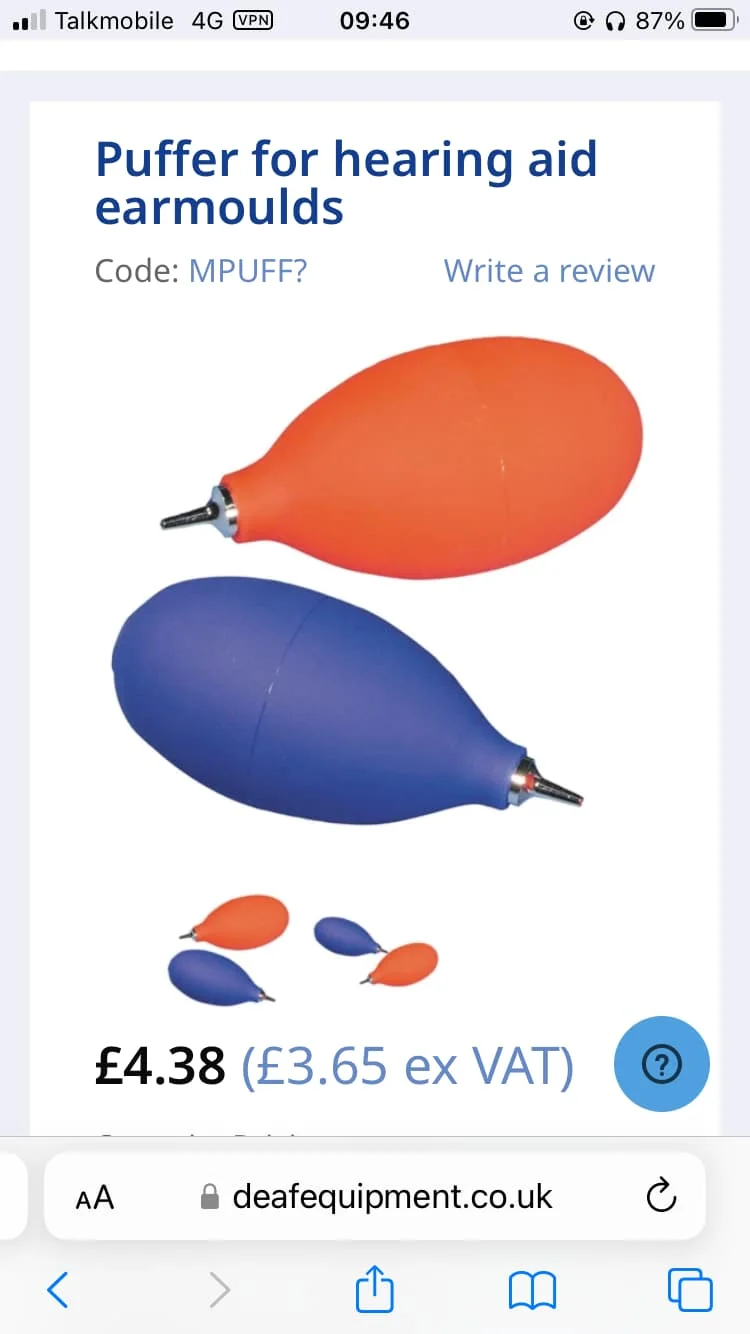
I pretended to be a UK resident. Sorry
There is not much support and knowledge in Turkey. They just want to sell hearing aids
You’re ignoring this member’s posts.
I’ve just asked phonak support.
until you flood the receiver.
You have the answer here anyway.
You’re ignoring this member’s posts.
I dont have any information about receivers resistance to moisture.
Also the hearing aids have a moisture resistance rating.
I wonder what phonak support will say
You’re ignoring this member’s posts.
Re read what Um Bongo said.
I’m unsure what information you don’t have.
Surely real life experience is better?!
Phonak claim the new Phonak waterproof Aids are waterproof when real life experience say no! Realistically they are just sweatproof.
Anyway, it’s up to you what you do. You asked for information and we provided.
You’re ignoring this member’s posts.
Thanks.
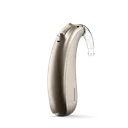
I don’t think damped earhooks fully protect hearing aid. They still leak moisture to hearing aid. Maybe less leak but still
You’re ignoring this member’s posts.

Whether it is damped or undamped earhook, it is always advisable to put the ’s in the dryer. every night. Switch off the HA’s and leave over night in the dryer is the best SOP.
If the ear tube/ear hook has moisture droplets, use a rolled tissue to dry/clean it up.
You’re ignoring this member’s posts.
You’re ignoring this member’s posts.
Aside from stopping moisture, fibrous bungs can reduce ‘peaky’ resonances from the receiver. My personal preference across a series of instruments
is to insert some very thin tubing between mould
and instrument. Reduces max volume, sweetens the sound, but can’t really block moisture.
I use insulation stripped from very thin ‘bell’ wire, adjust length to taste. Be sure it cannot slip down into your ear! Dot of adhesive on side perhaps.
I am not an audiologist, by the way, but like music to sound good.
You’re ignoring this member’s posts.
Hearing Aids2 replies
Fitting Software Requests1.1k replies
Uncategorized451 replies
Hearing Aids168 replies
Hearing Aids73 replies
 Malaysia
 Crediton town, Devon UK