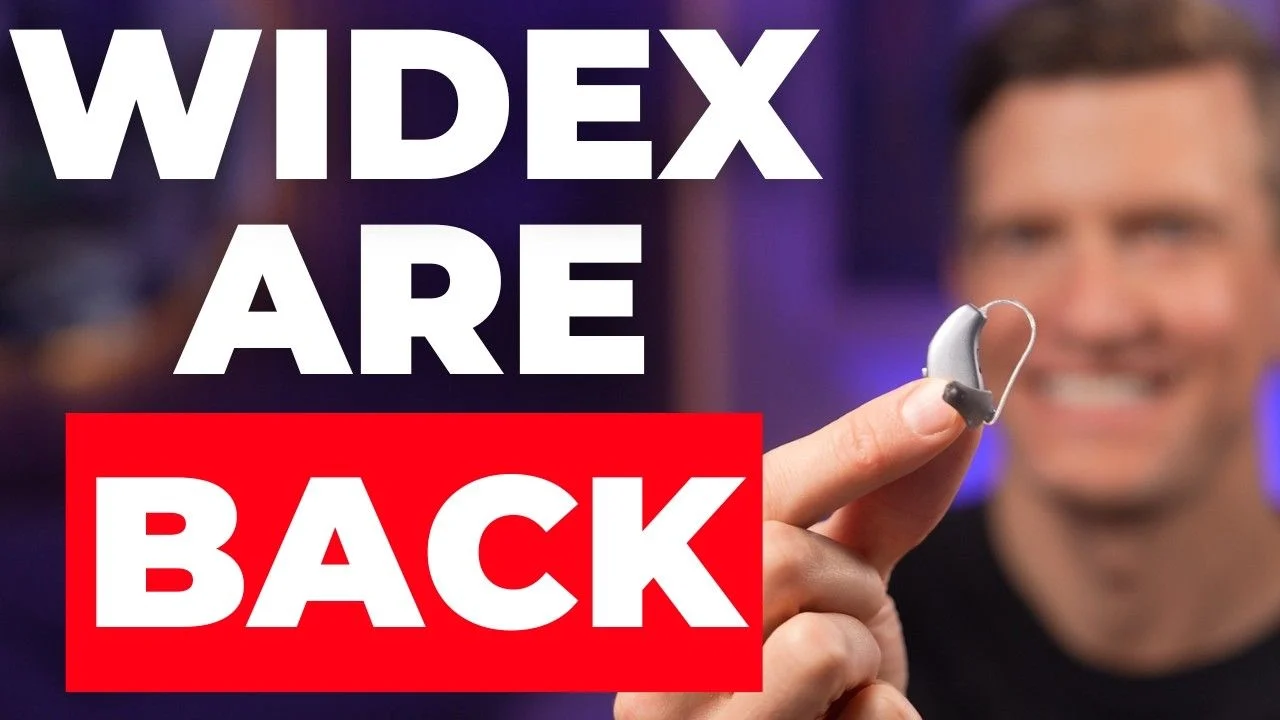
Sounds like they are doubling down with Compass Cloud 2.0? The video does not seem to identify anything that requires the cloud: https://youtu.be/faSGZ2klsQw16
I am a professional performing musician. I trialed the Allure 440s for two weeks including use at reheasals and stage performance. I found no new benefits over the SmartRIC 440s which are usually $2000 less. Same PureSound (what you must have for live music that no other brand has) and actually Allure has less user features than the Moment/SmartRIC platform, so I returned the Allures and got the SmartRiC 440, saving around $2000. The audiologist has much more flexibility with the SMartRICs and they come stock with very useful programs and better front facing mic placement. The Allure only came with the “universal” program and had to have the PureSound activated by the audiologist. I didn’t find the “universal” very universal. I”d get the much less expensive SMartRICs 440 especially if your major concern is music, and skip the Allure wait for the next new platform because you’ll be turning off all that noise cancelling and compresson anyway. By the way on the Widex app, the assisted “your sound” feature is pretty much a gimmic. It seems ot only adjust the equalizer which you can do much more easily yourself.
I presume you know that this thread is about a new version of the allure with an additional chip to help with speech in noise. Having that along with the established music advantages over other brands is what interests me.
Here in Australia, the old (existing) allure and the smart ric are around the same price in any case.
So anyway, I am interested to know. Are you happy with how music sounds with the widex aids (both live and through hi fi speakers)? I’ve yet to try them. I know streamed won’t be much good.
Of course I know that new chip touted to be 4x faster., and having recently worn both the WIdex Allure and the WIdex SmartRIC for several weeks, I”m telling you that the Allures perform no better than the SmartRIC/Moment in either live music or crowded room converstation. In fact the Allure has fewer user adjustable features and WIdex clearly is pushing users to expect the “universal” program to take care of everything for you and it just doesn’t. So i returned the far more expensive Allures and kept the SmartRICs. I found no useful benefits to the hyped Allures. I’m sold on Widex because as a musician it’s really your only viable choice. I’ll keep the SmartRICs and wait for the next new Widex platform. Allure is 4x faster at what? If you are using them for music, all of the advanced is turned off and if you are expecting them to provide a clear benefit over the Moment/SmartRIC, they don’t. If you look at the professional reviews you’ll see that measured performance in different environments is not any better than the previous models.
The aid being discussed in this thread has not been released yet. The new chip is not the 4 times faster chip you refer to. That one is the existing allure chip and I understand its features and limitations.
The new aid has 2 chips. The regular allure chip and also the new AI speech in noise chip (which of course is not for music).
OcramSagev, I do not know anything about programming of hearing aids, or anything else. But I am curious about why programming with a Cloud based format is bad?
The Widex cloud programming software requires login credentials that only official Partners have. This means I cannot self-program the Allures. I didn’t say the cloud software was bad (I’ve never used it).
It also limits the useful life of the aids if the cloud ever stops being available. Fnow Compass Cloud is missing many features and settings available in Compass. Whether Compaas Cloud 2.0 resolves this remains unclear. Cloud for the sake of is not a good design direction. Correct me if I’m wrong but Widex has not shown any reason for this. The claim that the aids would learn from each other or something like that may be BS.
I read a report (and my Chat GPT - which admits that it sometimes hallucinates) that the current version of the cloud fitting software took a lot of adjustment and tuning away from the , but that the new release of the cloud software will bring back some, but maybe not all, of that capability.
I understand and again, I lean on the side that says most of what the vendors say is hype and little has changed in the past 8 years. All struggle to work in noisy environments and I seriously doubt yet another new chip and another hyped algorithm will change that. Why? Because I have spent a lifetime in research in AI and the voice vs noise environment is so complex and difficult because most of the noise you want to elminate is voices and no amount of AI will be able to differiniate the voices you want to hear from those you don’t without an additional sensor (a camera), which isn’t happening anytime soon. This is a problem even a high performance compute system can’t solve with only two small audio mics as sensors. For how many years now have we been hearing (pun intended) from the vendors that they are making huge strides in this area? The results haven’t been there, but the marketing never stops.
Yes, I have tried Resound , Oticon, Widex, Signa, have you? They all produce similar , mostly poor results in crowded converstation and noise. And professional independent comparative test results bear this fact out, so forget my opinion and yours and look at actual performance based tests. If you want to completely occlude your ears and elimiate most of the “background” noise, nothing can match the Apple AirPod pros in hearing aid mode… but they look ridiculous and don’t work well for people with profound hearing loss.
You make a very good point. I have Phonak Infinio Sphere aids. The “Spheric Speech in loud noise is a definite improvement over previous models in noisey environments, but it doesn’t live up to the manufacturers hype for the reason you mentioned. In a restaurant or airport, the bulk of the noise is from voices, and the hearing aid can’t tell which voice you want to hear, and which ones you don’t want to hear. On the topic of music - With the Phonaks, I was never able to listen to music, but was finally able to have my audiologist make the needed adjustments to at least make music listening minimally acceptable. I have never tried Widex aids. Would they be superior for music for a person with moderate to severe hearing loss ?

 San Francisco